Kitchen Tiles: Floor and Backsplash Choices for Indian Cooking
Kitchen tiles that cope with oil, masala stains and daily mopping: what to use on the floor and backsplash, sizes, finishes and mistakes to avoid.
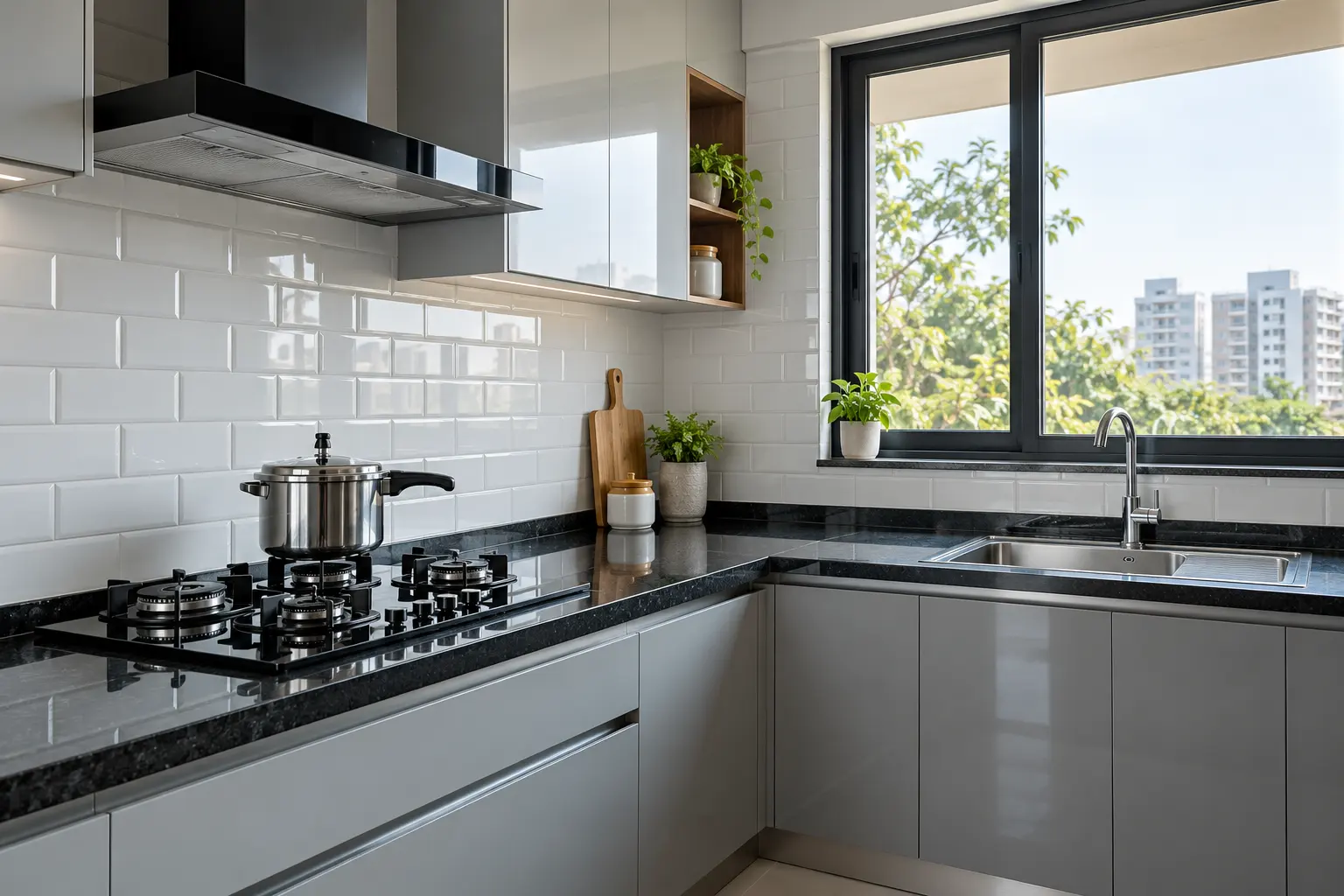
An Indian kitchen sees oil, steam, turmeric, spilled dal and daily mopping. The tiles on the floor and backsplash need to be tough on stains and simple to clean, without making the floor slippery. A little planning here saves years of scrubbing.
What the kitchen demands
- Oil and grease. Tadka and frying throw fine oil droplets onto walls. Over time this collects on rough or porous surfaces.
- Stains. Turmeric, tea and tamarind can mark light grout and some textured tiles.
- Wet floors. Water near the sink and spilled oil near the stove are a slip risk.
- Heat near the hob. Normal domestic cooking heat is fine for ceramic and vitrified tiles, but the tile must be fixed properly so it does not loosen.
- Weight and dropped vessels. A heavy pressure cooker dropped on the floor can chip a thin glaze, so harder bodies help.
Backsplash tiles
The backsplash is the wall between the counter and the upper cabinets. Most homes tile it from counter level up to the bottom of the cabinets, about 2 feet, and some tile up to the ceiling.
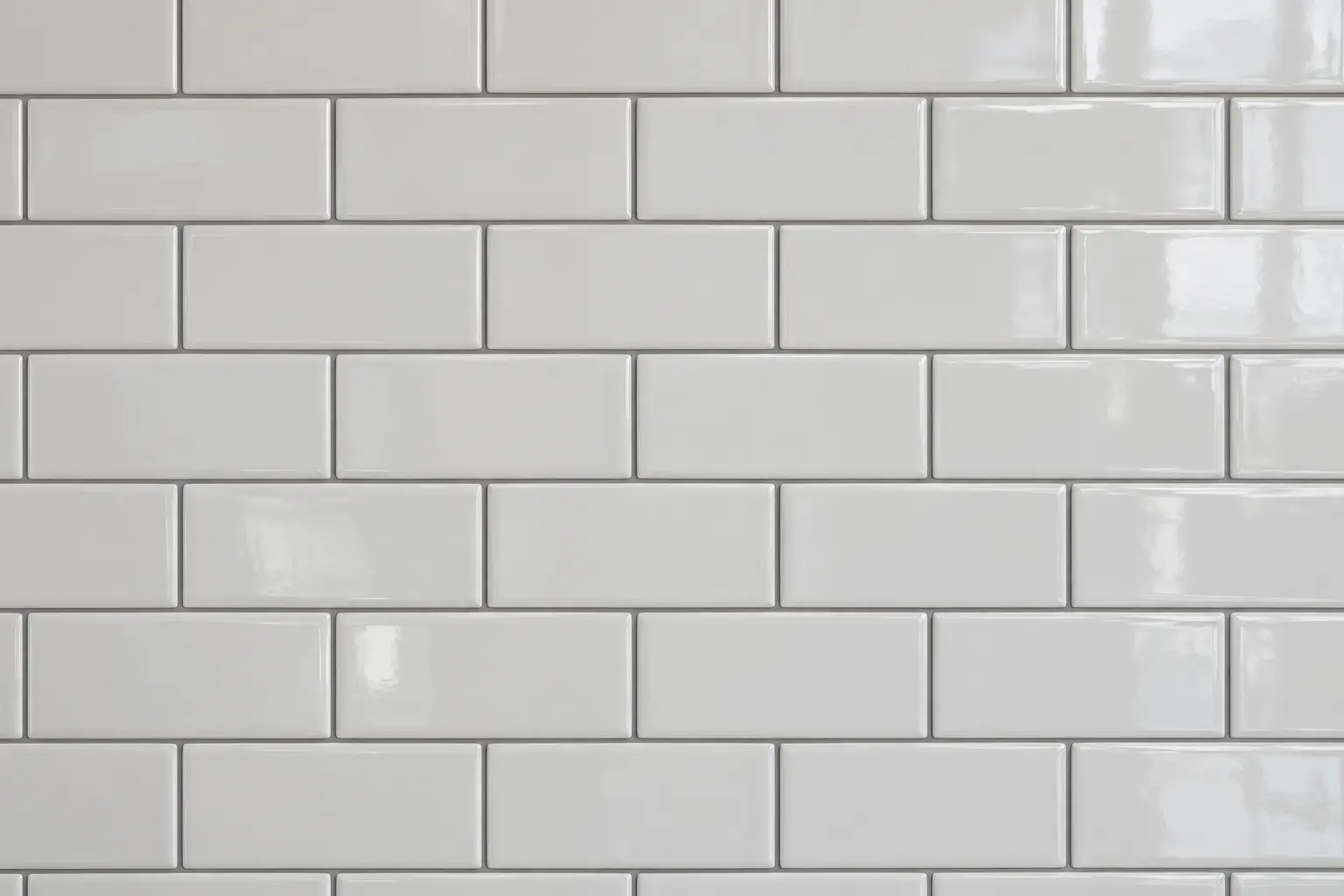
- Subway tiles in white or soft colours are a classic, easy-to-clean choice. Laid in a brick pattern, they look neat in both modern and traditional kitchens.
- Glossy or satin wall tiles in 300x600 mm give fewer joints and a cleaner look.
- Mosaic tiles or highlighter tiles can work as a strip behind the stove, but more grout lines mean more cleaning.
For more design ideas, read kitchen backsplash tile ideas.
Floor tiles
Vitrified tiles are well suited to kitchen floors because of their low water absorption and stain resistance.
| Choice | Why it works |
|---|---|
| Matt or satin vitrified | Better grip, hides minor marks |
| Double charge vitrified | Holds up to heavy daily use |
| Lightly textured or anti-skid | Extra grip in utility and wash areas |
600x600 mm is the most practical size for most kitchens. It fits around platforms with less wastage than very large formats. Open kitchens that flow into the dining area can use the same tile as the living spaces, as long as it is not highly polished.
Layout and colour tips
- Plan backsplash height with your carpenter before tiling, so the tile ends neatly behind the cabinets.
- Mid-tone floors in grey, beige or wood look hide everyday spills better than pure white or black.
- Keep the backsplash light if your kitchen has little natural light. It bounces light onto the counter.
- Contrast with the counter. A black granite counter pairs well with white or light grey backsplash tiles.
Mistakes to avoid
- Deeply textured or rustic tiles on the backsplash. Grease collects in the texture and is hard to clean.
- Light cement grout behind the stove. It discolours quickly. Choose a darker or epoxy grout.
- Polished or high gloss tiles on a kitchen floor, especially near the sink.
- Not leaving spare tiles. Kitchens get modified more than any other room, so keep a few pieces for later repairs.
Our guide on how to clean and maintain tiles explains how to deal with oil and stain build-up.
Choose with your kitchen layout in hand
Bring a simple sketch of your kitchen with platform length and wall heights, and visit the shop to compare backsplash and floor tiles together. Call ahead if you want to check current designs.
Common questions
What is the best tile for a kitchen backsplash?
Glossy or satin ceramic wall tiles are easy to wipe clean of oil and masala splashes. Subway tiles and plain light colours are popular because grease marks are easy to spot and clean.
Should kitchen floor tiles be glossy?
It is better to avoid high gloss on kitchen floors because spilled oil or water makes them slippery. A matt, satin or lightly textured vitrified tile is safer.
Can I tile the wall behind the gas stove?
Yes, ceramic and vitrified tiles handle the normal heat near a domestic stove. Use good adhesive and keep grout joints thin so they are easy to clean.
Which grout is best for a kitchen?
Epoxy grout is a good option for the backsplash and around the sink because it resists oil and turmeric stains better than plain cement grout.
Keep reading
Kitchen Backsplash Tile Ideas for Indian Kitchens
Subway, mosaic, marble-look and highlighter tiles for the wall behind your stove and sink, with tips on height, grout and easy cleaning for Indian cooking.
Subway tiles
Subway tiles are small rectangular wall tiles, a classic for kitchen backsplashes and bathrooms. Learn sizes, laying patterns and grout tips.
Wall tiles
Wall tiles for bathrooms, kitchens and feature walls: ceramic vs vitrified, common sizes like 300x450 and 300x600 mm, and tips for choosing a set.
See the tiles in person before you decide
Photos never show a tile's true shade or texture. Get in touch to check what is in stock, then walk in and compare.