Mosaic Tiles in Bengaluru: Glass, Stone and Ceramic Mosaics
Mosaic tiles are small pieces on mesh sheets, used for niches, backsplashes, pools and feature bands. Learn types, uses and how to lay them well.
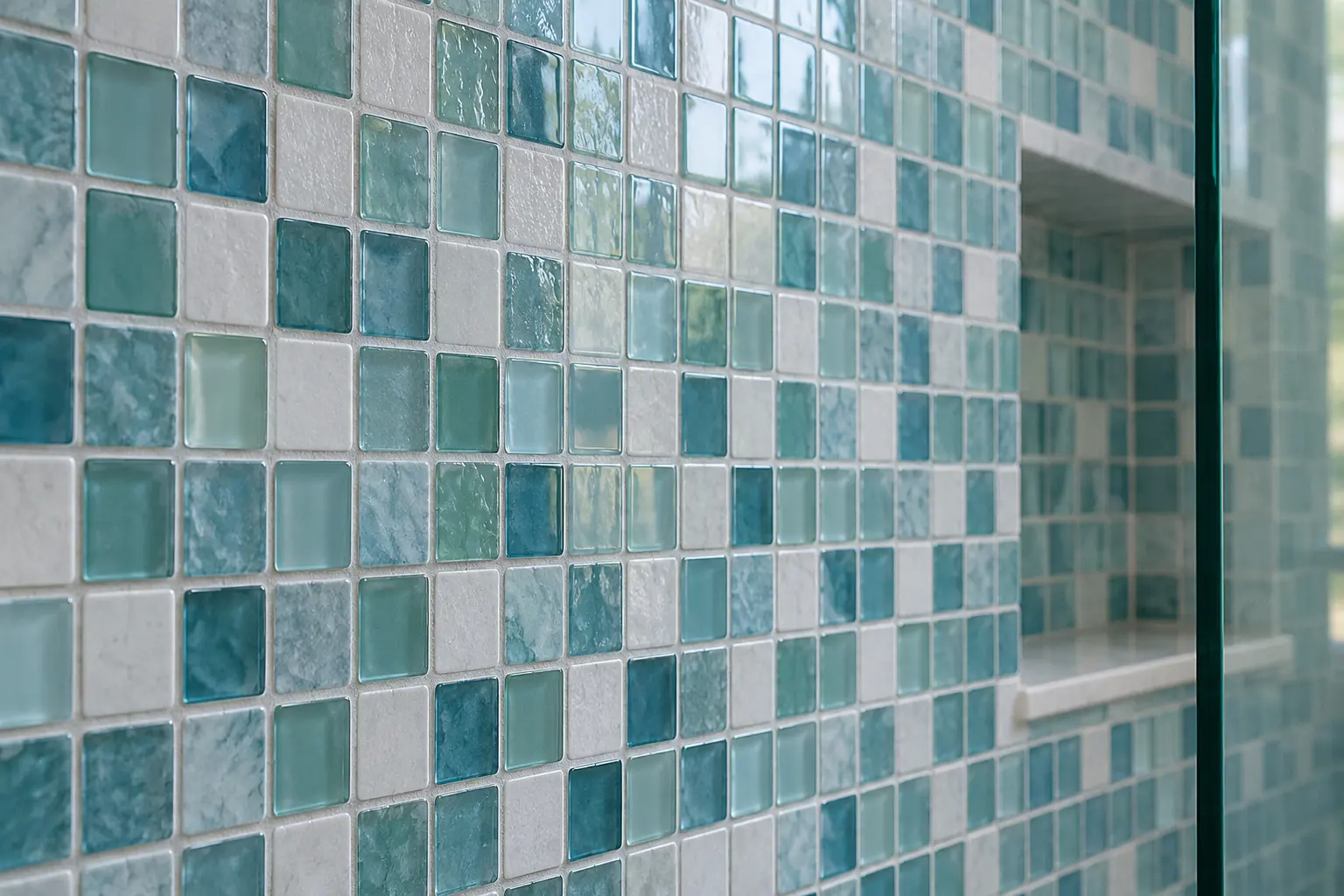
Mosaic tiles are small pieces of glass, ceramic, porcelain or stone arranged on a sheet. They add detail and texture in places where a large tile would look plain or would be hard to fit, like curved surfaces, niches and narrow bands. A little mosaic goes a long way.
What mosaic tiles are
Individual mosaic pieces are usually somewhere between about 10 mm and 50 mm across, in squares, hexagons, penny rounds, chevrons, linear strips or mixed shapes. They come pre-arranged on a mesh backing in sheets, typically around 300x300 mm, so the tiler lays a full sheet at a time.
Common types:
- Glass mosaic: shiny and colourful, reflects light, good for walls and pools. Can scratch on floors.
- Ceramic and porcelain mosaic: hard wearing, available in matt and glossy, suitable for floors and walls.
- Stone mosaic: natural marble or stone pieces, rich look, needs sealing like natural stone.
- Mixed mosaic: glass with stone or metal-look pieces for feature bands.
Where mosaics work, and where they don't
Good fit:
- Shower niches and the wall behind a washbasin
- Kitchen backsplashes, either as the full backsplash or a band
- Pooja room niches and arches
- Curved walls, columns and steps where flat tiles would need many cuts
- Swimming pools and water features (use pool-rated mosaics)
- Small bathroom floors, especially around a drain
Not ideal:
- Large floor areas in living rooms. The many joints look busy and are more work to keep clean
- Directly behind a busy gas stove with cement grout, where oil collects in the joints
- Budget projects where labour is tight, as mosaics take more time to lay and grout
Sizes and finishes commonly available
Sheets are typically around 300x300 mm, with piece sizes from small 15 to 25 mm squares to larger 48 mm squares, hexagons and strips. Finishes include glossy, matt, iridescent glass, metallic and natural stone. Availability changes often, so ask the shop for current designs.
How to choose and lay them
- Use mosaic as an accent. Pair it with plain wall tiles so it stands out instead of competing.
- Pick the right material for the spot. Glass on walls, ceramic or porcelain on floors.
- Choose epoxy grout. With so many joints, epoxy grout resists stains, mould and water far better than cement grout. Our grout and spacers guide explains the options.
- Use white adhesive for glass. Clear glass mosaics can show the adhesive colour behind them.
- Line up sheets carefully. Uneven gaps between sheets are the most common giveaway of rushed work.
- Buy an extra sheet. Cuts around niches and edges use more than you expect.
Ask what is in stock
Mosaic designs come and go. Call the shop to check current sheets, or visit us with a photo and size of the niche or backsplash you want to cover.
Common questions
Are mosaic tiles hard to clean?
They have many more grout lines than larger tiles, so the grout needs regular cleaning. Using epoxy grout makes cleaning much easier and resists stains and moisture.
Can mosaic tiles be used on bathroom floors?
Small mosaics give good grip because of the many grout joints, and they follow floor slopes well. Use a mosaic rated for floors, such as ceramic or porcelain, not delicate glass.
How are mosaic tiles sold?
Usually as sheets, roughly 300x300 mm, with small pieces stuck on a mesh backing. You lay the whole sheet at once, which makes installation faster.
Keep reading
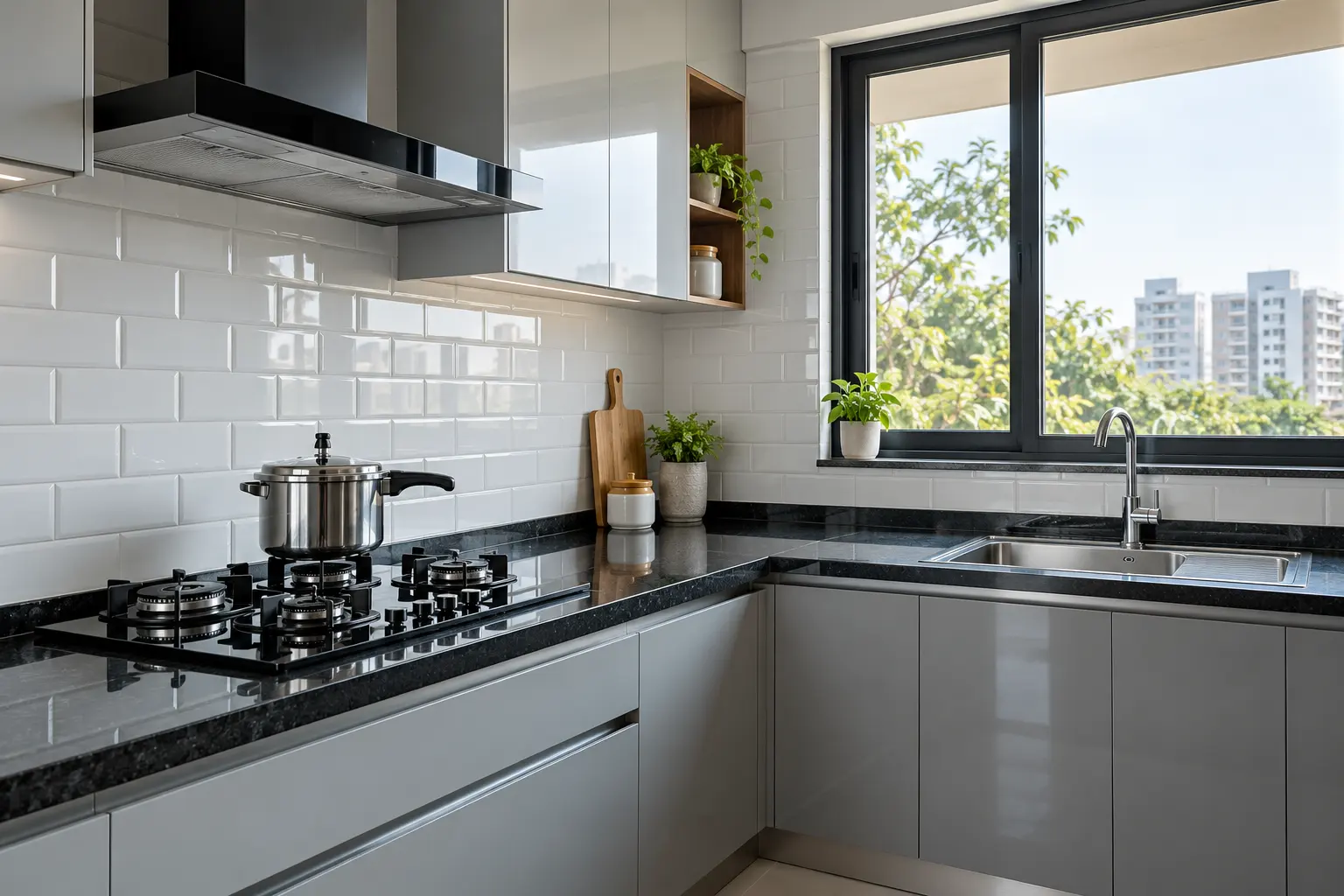
Wall tiles
Wall tiles for bathrooms, kitchens and feature walls: ceramic vs vitrified, common sizes like 300x450 and 300x600 mm, and tips for choosing a set.
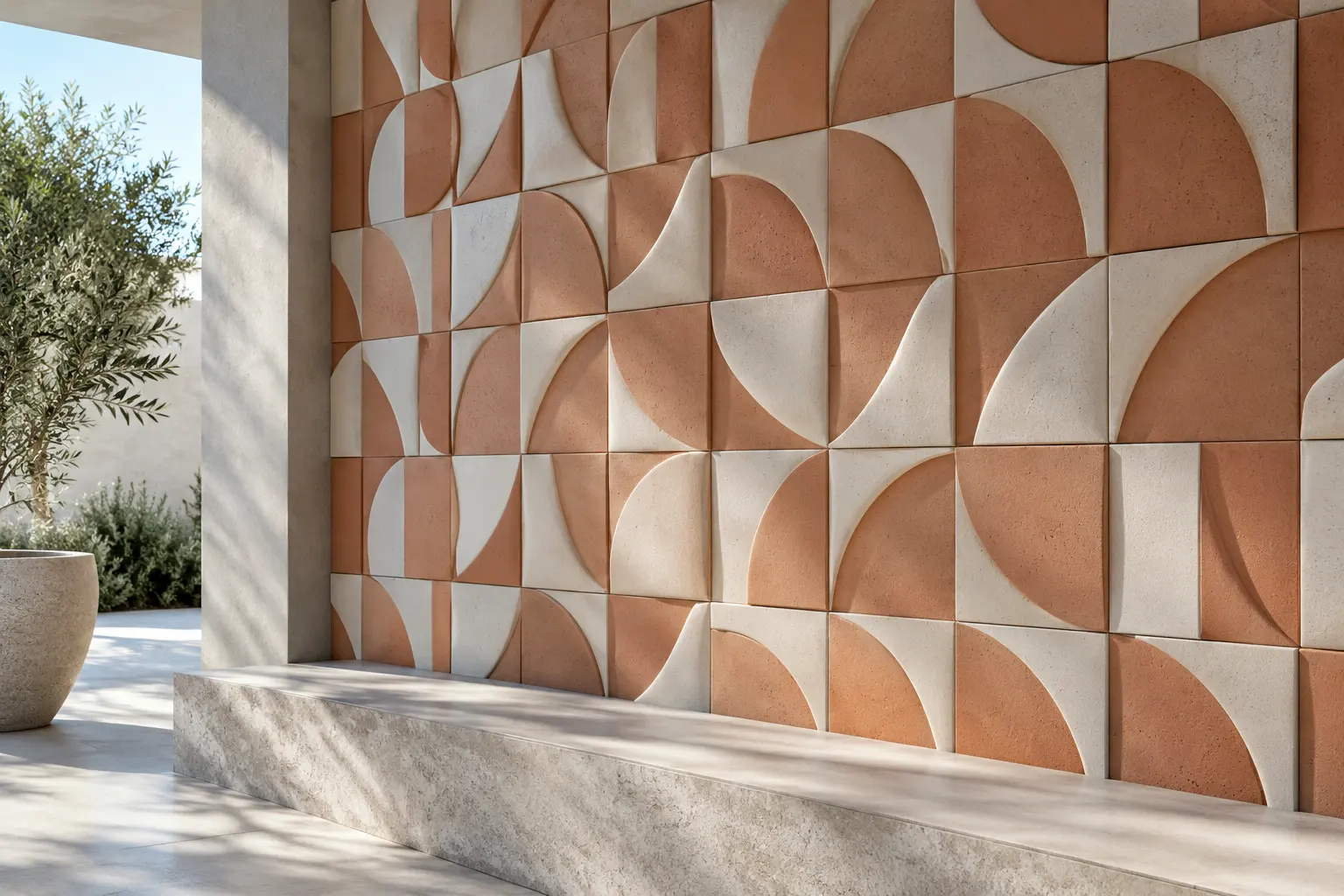
Highlighter tiles
Highlighter tiles add a focal point to bathrooms, kitchens and living room walls. Learn how to use them well, common sizes and how much to use.
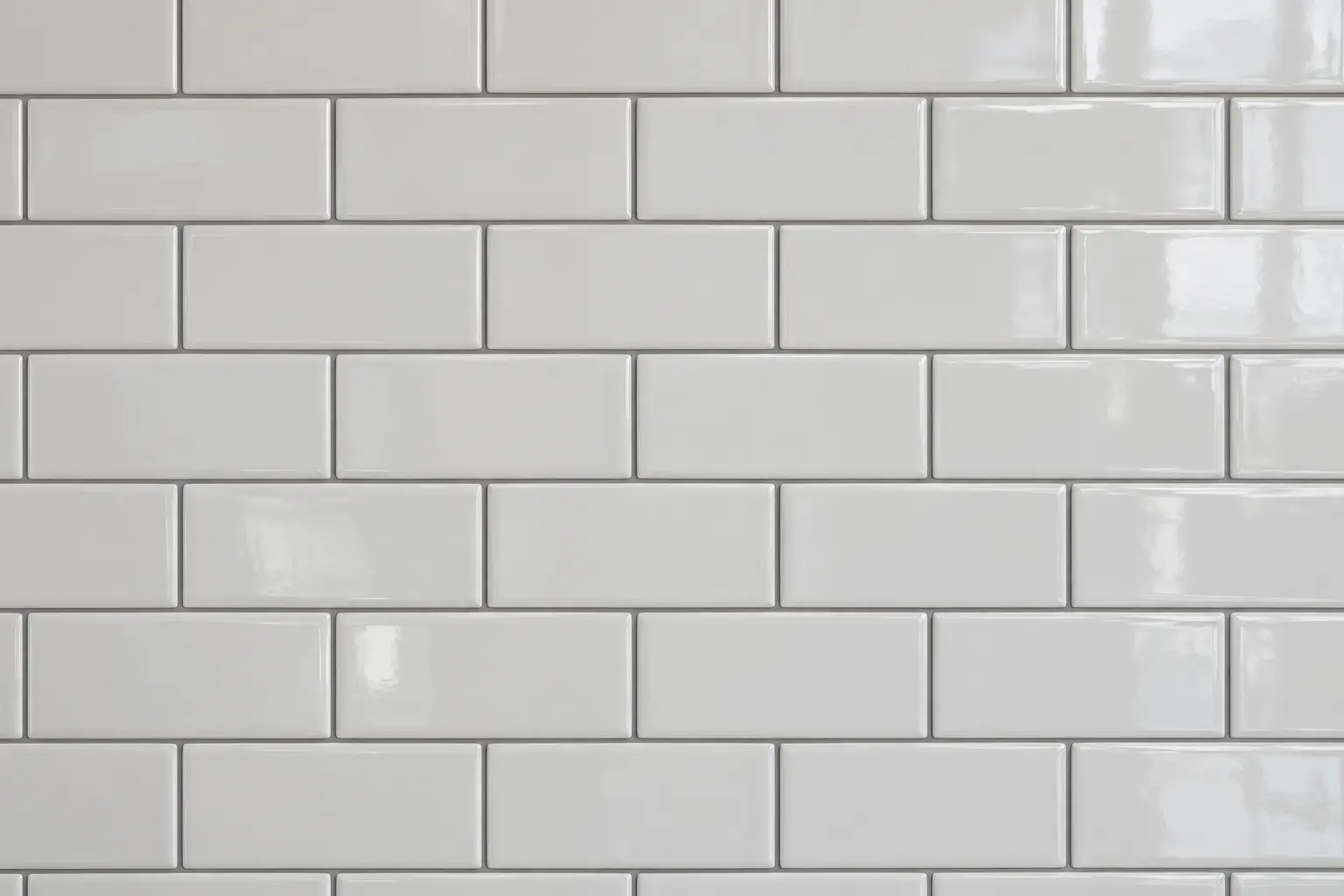
Subway tiles
Subway tiles are small rectangular wall tiles, a classic for kitchen backsplashes and bathrooms. Learn sizes, laying patterns and grout tips.
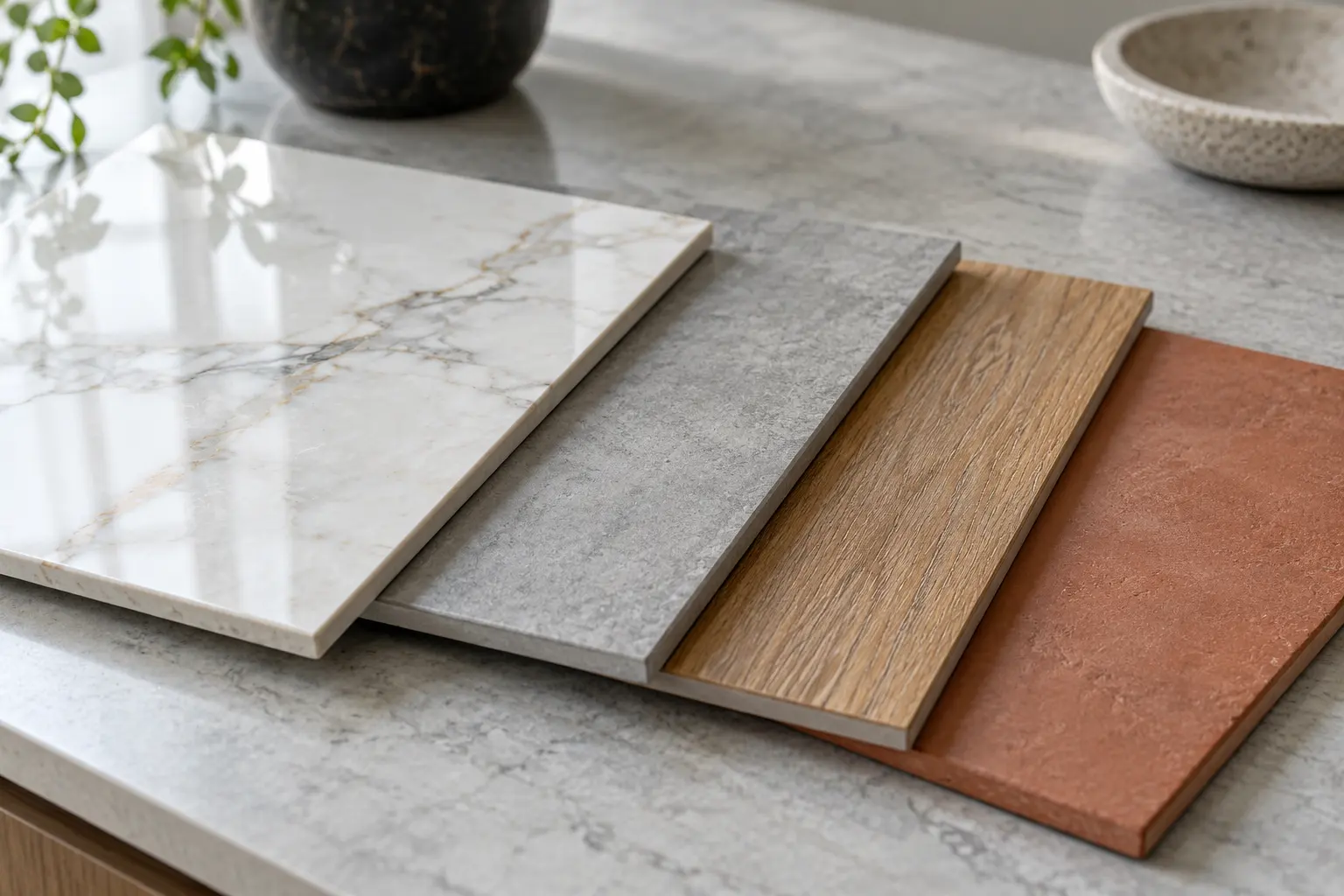
See the tiles in person before you decide
Photos never show a tile's true shade or texture. Get in touch to check what is in stock, then walk in and compare.