Moroccan Tiles in Bengaluru: Patterns, Uses and Layout Tips
Moroccan pattern tiles bring repeating geometric and floral designs to kitchens, bathrooms and balconies. Learn where they suit and how to lay them well.
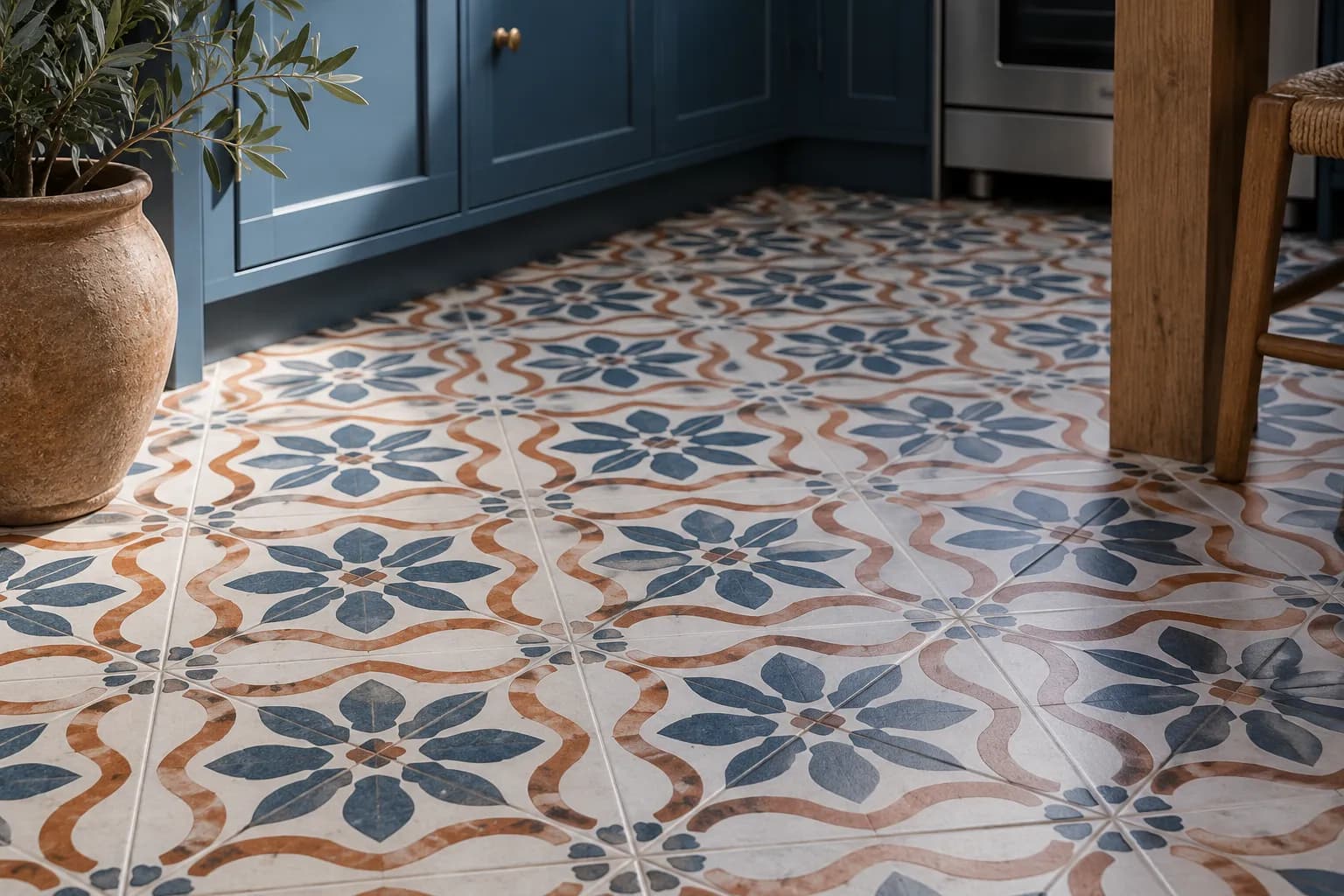
Moroccan tiles are the patterned squares you see in cafe floors, kitchen backsplashes and old-style verandahs: stars, lattices, petals and interlocking lines repeated across a surface. They add colour and detail in a way plain tiles cannot, and a small area of them is often enough to give a room its personality.
What makes a tile "Moroccan"
The name refers to the look, not the material. Traditional Moroccan and encaustic tiles were made from coloured cement pressed into moulds. The Moroccan tiles in most tile shops today are ceramic tiles with that pattern printed onto the glaze. You get the same busy, handcrafted look, but with tiles that are lighter, more uniform and far simpler to lay.
Most are 300x300 mm (1x1 ft) matt ceramic tiles, each design sold under a number. The matt surface helps the pattern look like the older cement versions, which never had a shine.
Typical patterns include:
- Eight-point stars and crosses
- Lattice and trellis lines
- Floral medallions and petals
- Quarter motifs that form a full circle when four tiles meet
- Faded or "washed" designs that look aged
Where to use them, and where not
Moroccan tiles are used on kitchen floors and backsplashes, bathroom walls, balcony floors and walls, living room feature walls and even house elevation. A few points decide whether a particular tile suits a spot:
Good fit:
- Kitchen backsplash, either the full strip or a panel behind the stove
- A bathroom wall behind the washbasin, or the dry area wall
- Balcony floor in a covered apartment balcony
- A living room feature wall or the wall behind a dining table
Check before you buy:
- Floors need a floor-rated tile. A ceramic tile made for walls is thinner and softer. On a floor it can chip or crack. Ask the shop whether the design you like is floor grade.
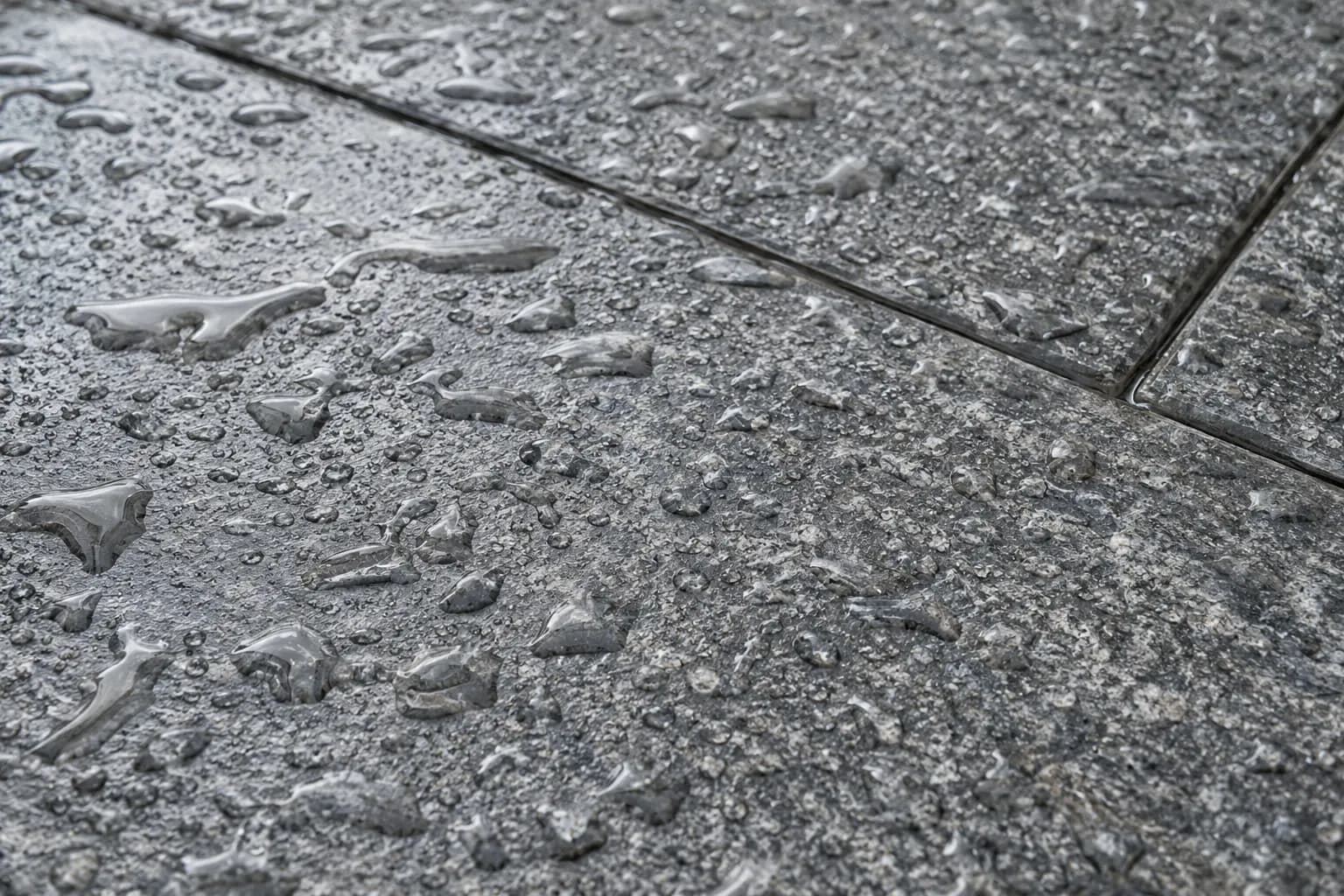
- Open, rain-soaked areas need grip. Matt helps, but on an open balcony or terrace edge, check that the surface is not slippery when wet.
- Shower floors are better done in a dedicated anti-skid tile, with the pattern kept on the wall.
How the pattern lines up
Each design works in one of two ways. Some tiles carry a complete motif, so every tile looks the same and the pattern repeats tile by tile. Others carry a quarter or half of a motif, and the full shape only appears when tiles are turned and placed together.
Before fixing, lay out a few rows dry on the floor. Rotate tiles until you like the effect, then number the backs or take a photo. Printed patterns sometimes come with slight variations between tiles, which adds to the handmade look, but shuffling tiles from different boxes spreads that variation evenly.
Mixing with plain tiles
Moroccan tiles look best when they have room to breathe. A few ways to balance them:
- Use them as a rug in the middle of a floor with a plain border around it
- Keep the floor plain and put the pattern on one wall only
- Pick the plain tile from one of the colours in the pattern, for example the blue or terracotta
- On a backsplash, frame the pattern with a plain band at the top or sides
If you want more ideas for this, see our highlighter tiles page and the kitchen backsplash ideas guide.
Layout and wastage
Pattern tiles waste more than plain tiles. A cut at a wall edge slices through the motif, so it is worth centring the layout in the room or on the wall, leaving equal cut pieces on both sides. Start from the most visible line, such as the edge of a counter or the doorway, not the hidden corner.
For quantity, measure the area, use the tile calculator, then add extra for pattern matching and breakage. Our page on 300x300 mm tiles explains how many tiles cover a square foot area at this size.
See the patterns in person
Printed colours look different on a screen. Ask the shop which Moroccan designs are in stock now, and contact the shop to plan a visit with your wall or floor measurements.
Common questions
Are Moroccan tiles real cement tiles?
Most Moroccan tiles sold in tile shops today are ceramic tiles with the pattern printed on the glaze. They copy the look of handmade cement or encaustic tiles but are lighter, more even in size and easier to lay.
What size are Moroccan tiles usually?
The most common size is 300x300 mm, which is roughly 1x1 ft. The small square suits repeating patterns, because each tile carries one complete motif or a quarter of a larger one.
Can Moroccan tiles be used on a floor?
Yes, if the tile is rated for floors. Matt floor-grade Moroccan tiles work on kitchen floors and covered balconies. Do not use a thin wall-grade ceramic tile on any floor, as it can crack or wear quickly.
How much extra should I buy for Moroccan pattern tiles?
Plan a little more than you would for plain tiles, often around 10 percent, because you may skip or rotate tiles to keep the pattern flowing and edge cuts can break a motif.
Which grout colour suits Moroccan tiles?
Pick a grout that matches the background colour of the tile, usually white, cream or light grey. This keeps the pattern reading as one surface instead of a grid of squares.
Keep reading
300x300 mm tiles
300x300 mm tiles are the classic 1x1 ft size for bathroom floors, balconies and terraces. Coverage per tile, tiles per 100 sq ft and laying tips.
Kitchen
Kitchen tiles that cope with oil, masala stains and daily mopping: what to use on the floor and backsplash, sizes, finishes and mistakes to avoid.
Kitchen Backsplash Tile Ideas for Indian Kitchens
Subway, mosaic, marble-look and highlighter tiles for the wall behind your stove and sink, with tips on height, grout and easy cleaning for Indian cooking.
See the tiles in person before you decide
Photos never show a tile's true shade or texture. Get in touch to check what is in stock, then walk in and compare.