Step and Riser Tiles in Bengaluru: Safe, Neat Staircases
Step and riser tiles are made for staircases, with nosing and grip grooves on the tread. Learn sizes, finishes and how to measure your stairs.
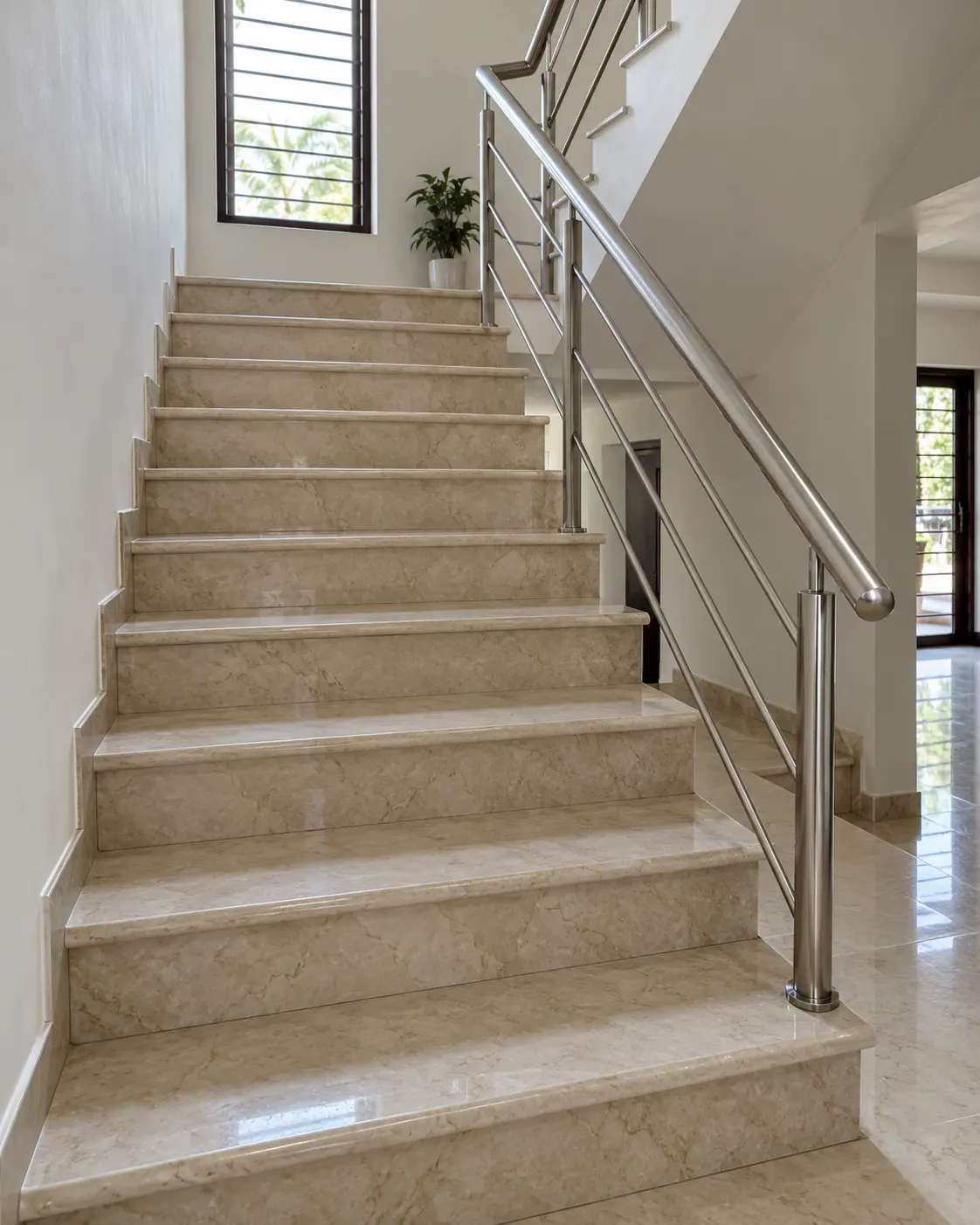
Staircases are one of the places in a home where safety matters most and where poor tiling shows the most. Step and riser tiles are made specifically for stairs. The tread (the part you step on) usually has a finished front edge and grip grooves, and the riser (the vertical face) is cut to a matching size. The result is a neat, safer staircase without awkward cut edges.
What step and riser tiles are
A step tile (tread) is a long tile, typically around 1200x300 mm, often with:
- A rounded or bevelled front edge (bullnose or nosing)
- Anti-slip grooves or a textured strip near the front edge
- Sometimes a slight overhang profile in one-piece designs
A riser tile is a narrower strip, typically around 1200x150 mm, that covers the vertical face between steps. Risers are often sold to match the step design.
Most step tiles are vitrified, usually GVT or full body, with water absorption typically under 0.5%. Designs include marble looks, wood looks, granite and plain stone tones.
Where they work, and where they don't
Good fit:
- Indoor staircases in duplex and independent houses
- Entrance steps and porch steps
- Apartment common staircases
- Shop and office entrance steps
Think twice:
- Very narrow or curved staircases may need custom cuts from slabs or granite instead
- High gloss step tiles without grooves are risky. Grip at the nosing is the main safety feature
- Exposed outdoor steps in heavy rain need a textured or anti-skid surface, not a polished one
Sizes and finishes commonly available
The most common pair is a 1200x300 mm step with a 1200x150 mm riser. You may also find 1000 mm long steps, deeper treads around 1200x350 mm, and one-piece step tiles with a moulded nosing. Finishes include glossy with grooves, matt, satin and rustic. Marble finish and wooden-look steps are popular inside homes.
How to choose and measure
- Measure one step carefully. Width of the stair, depth of the tread, and height of the riser. Most residential risers are around 150 to 175 mm, so check whether a standard riser tile fits or needs cutting.
- Count steps and landings. Landings are treated as normal floor area. Our tile calculator helps there.
- Prioritise grip. Grooves or a textured strip at the nosing are more important than the finish of the rest of the tread.
- Match the floor. Choose a step design that matches or complements the floor tile at the top and bottom of the stairs.
- Think about wear. Stair edges take knocks. Full body or darker tones hide chips better.
- Buy spares. Stairs use exact pieces, and a broken step tile from another batch may not match later.
See our staircase page for design ideas.
Bring your step measurements
Note the number of steps and the size of one tread and riser, then call the shop or visit us. We will show you step and riser tiles that suit your staircase from current stock.
Common questions
What size are step and riser tiles?
Step tiles are commonly around 1200x300 mm and risers around 1200x150 mm, with 1000 mm long options too. Ask for the exact size, as it varies by range.
Why use step tiles instead of cutting floor tiles?
Step tiles come with a finished front edge and usually anti-slip grooves near the nosing. Cut floor tiles leave sharp or uneven edges and often lack grip at the edge, where most slips happen.
Are glossy step tiles safe?
Glossy steps can be slippery, especially with socks or wet feet. If you choose a glossy design, make sure it has grooves or an anti-skid strip at the nosing.
How do I measure my staircase for tiles?
Count the steps, then measure the width, tread depth and riser height of one step. Measure landings separately as a floor area.
Keep reading
Staircase
How to tile a staircase safely: step and riser tiles, grip strips, nosing, sizes for treads, and finishes that work indoors and on outdoor stairs.
Anti-skid tiles
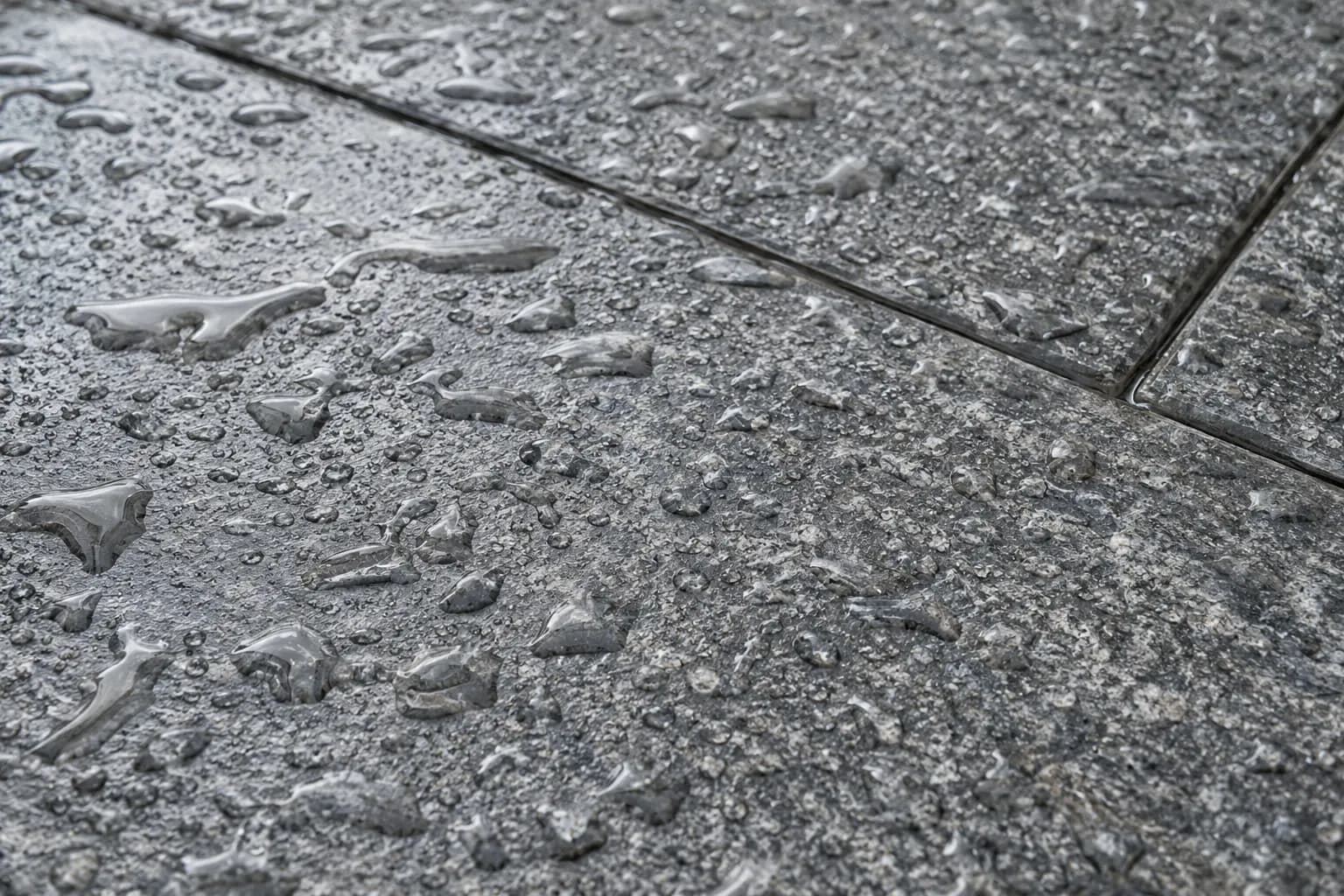
Anti-skid tiles give better grip on bathroom, balcony and outdoor floors. Learn how slip ratings work, common sizes and how to pick the right one.

Marble finish tiles
Marble finish tiles copy Statuario, Carrara and onyx on a vitrified body. Compare them with real marble and learn how to choose and lay them.
See the tiles in person before you decide
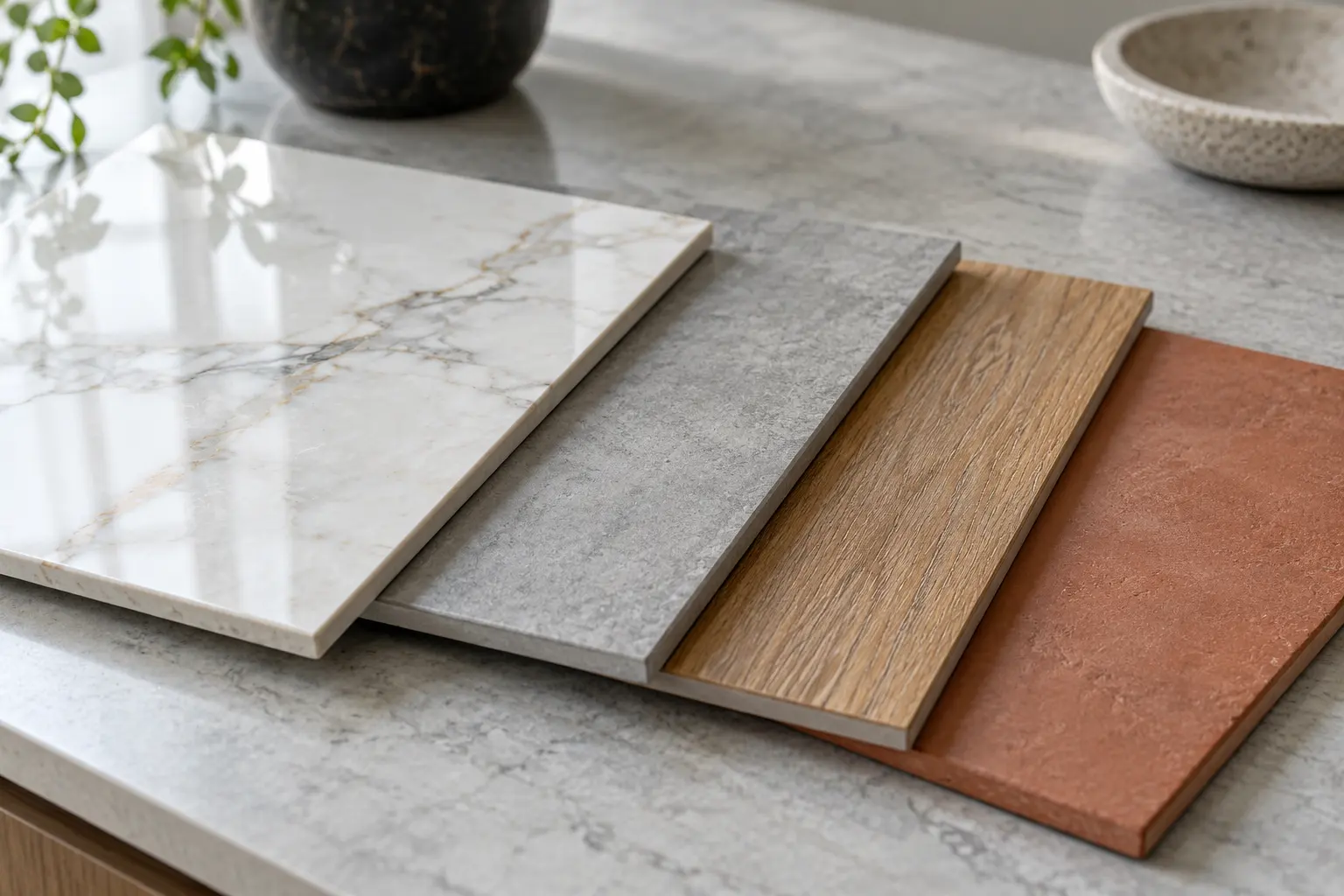
Photos never show a tile's true shade or texture. Get in touch to check what is in stock, then walk in and compare.