Staircase Tiles: Safe Steps and Risers for Homes and Duplexes
How to tile a staircase safely: step and riser tiles, grip strips, nosing, sizes for treads, and finishes that work indoors and on outdoor stairs.
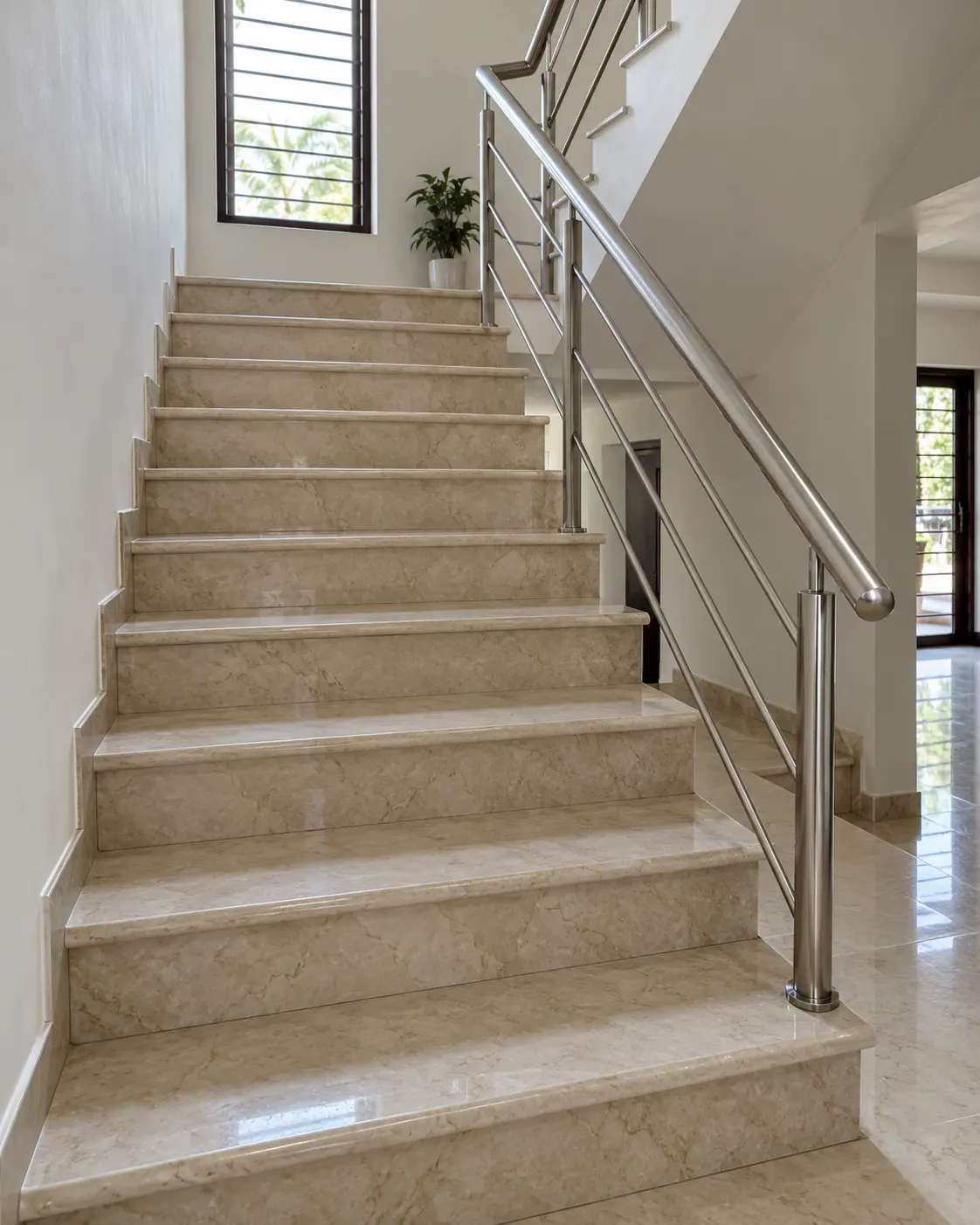
Stairs are where slips do the most harm. Whether it is an internal staircase in a duplex, the stairs to the first floor of an independent house or the outdoor flight to the terrace, the tiles have to be safe first. Good staircase tiles also make a strong visual statement, because stairs are often in full view.
What a staircase demands
- Grip at the edge. Most slips happen at the front edge (nosing) of the step. This is where grip matters most.
- Concentrated wear. People step on the same spot of each tread repeatedly, so wear shows quickly on soft glazes.
- Clear visibility. Each step edge should be easy to see, especially for elders and in low light.
- Edge strength. A thin or poorly supported front edge can chip when something heavy is dropped.
- Outdoor exposure. External stairs get rain, so they need a more textured surface than internal ones.
Recommended tiles
Step and riser tiles are made for this job. A typical set includes a tread with a rounded or bullnose front, often with grooves or a textured strip for grip, and a matching riser. Common tread lengths are around 1000 mm to 1200 mm, with widths to suit your step depth. Ask the shop what sizes are available, as they vary by series.
Other options:
- Large vitrified tiles cut to size for a clean, modern staircase with fewer joints, with a groove cut near the edge and a nosing profile fitted.
- Marble finish tiles in matt or satin for a classic look, matched to a marble-look living room floor.
- Anti-skid tiles for outdoor and terrace stairs.
- Wooden finish tiles for a warm look in duplex homes, with a matching wood-look riser.
Finish choice
| Location | Suggested finish |
|---|---|
| Internal staircase | Matt or satin, with grip grooves |
| Outdoor or terrace stairs | Rustic or anti-skid |
| Decorative risers only | Glossy or highlighter tiles are fine, since no one steps on them |
Layout and design tips
- Keep every step the same height. Uneven risers cause trips. Fix the concrete steps before tiling.
- Contrast the riser and tread slightly, for example a beige tread with a darker riser, so each step is easy to see.
- Match the landing with the main floor tile for a continuous look.
- Tile the skirting along the wall side of the stairs in a stepped pattern. It protects the wall from shoes and mopping water.
- Think about the terrace stairs separately. Outdoor stairs need more grip than indoor ones.
Mistakes to avoid
- Glossy or polished treads. They are a real fall risk, especially in socks.
- Sharp cut edges on normal tiles without a proper nosing or edge profile.
- Hollow bedding under the front edge. It is the part most likely to crack.
- Dark treads with dark risers in a poorly lit stairwell, which make steps hard to judge.
Measure first, then visit
Count your steps and measure the tread depth, width and riser height. With these, visit the shop to see step and riser options together, or call to check what sizes are available.
Common questions
What are step and riser tiles?
They are tiles sized and shaped for stairs. The step (tread) piece is usually long with a rounded or grooved front edge, and the riser is the vertical piece below it.
Can I use normal floor tiles on stairs?
It is possible, but you will need to cut them and finish the front edge, which can be sharp or chip easily. Step tiles with a proper nosing are safer and look neater.
Which finish is safest for stairs?
Matt or lightly textured tiles with grip grooves near the front edge are safest. Avoid high gloss on steps, especially on outdoor or terrace stairs.
Should the staircase match the floor tiles?
It often looks best when the staircase matches or closely complements the floor it connects to. A contrasting riser colour can help people see each step clearly.
Keep reading
Step and riser tiles
Step and riser tiles are made for staircases, with nosing and grip grooves on the tread. Learn sizes, finishes and how to measure your stairs.
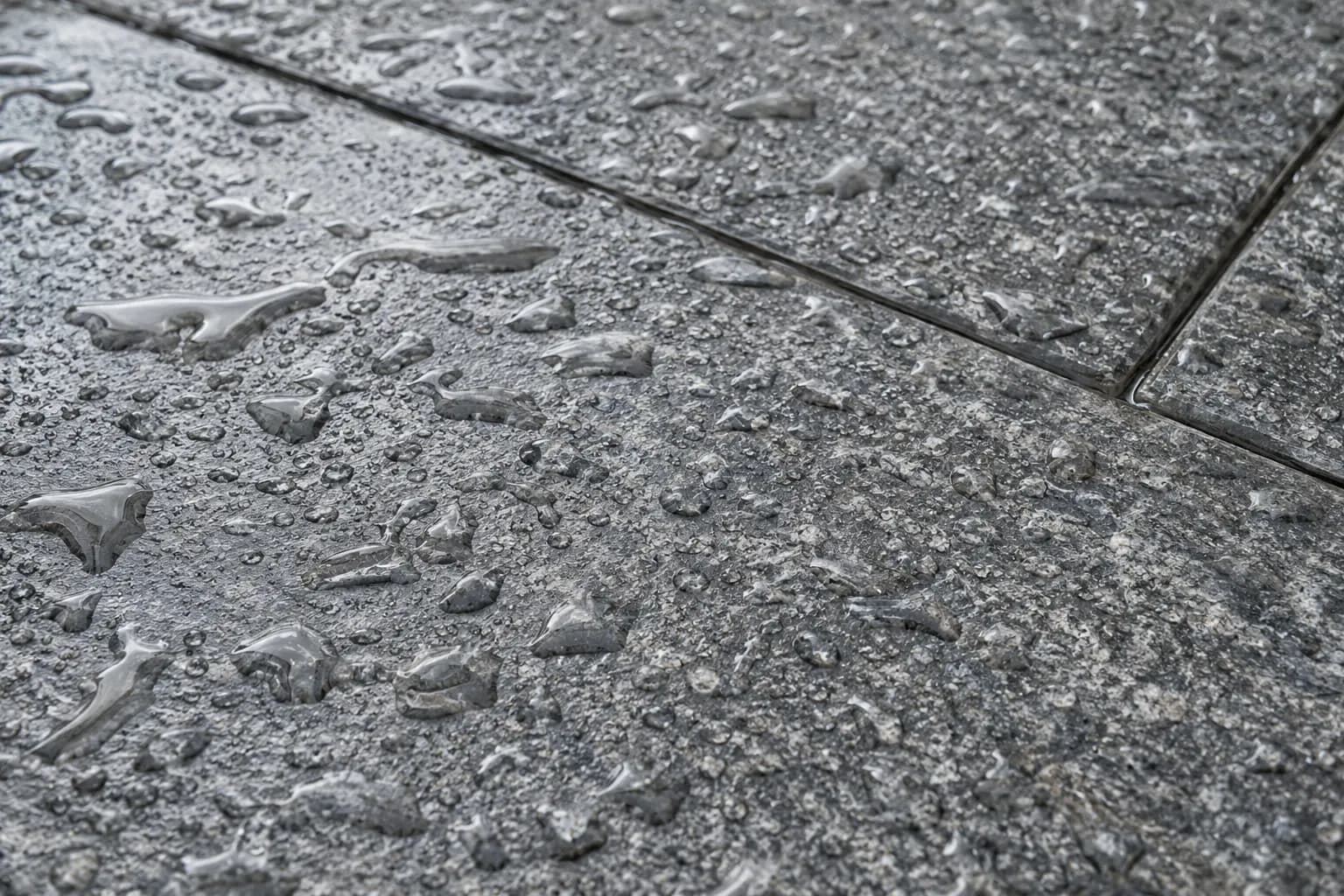
Anti-skid tiles
Anti-skid tiles give better grip on bathroom, balcony and outdoor floors. Learn how slip ratings work, common sizes and how to pick the right one.
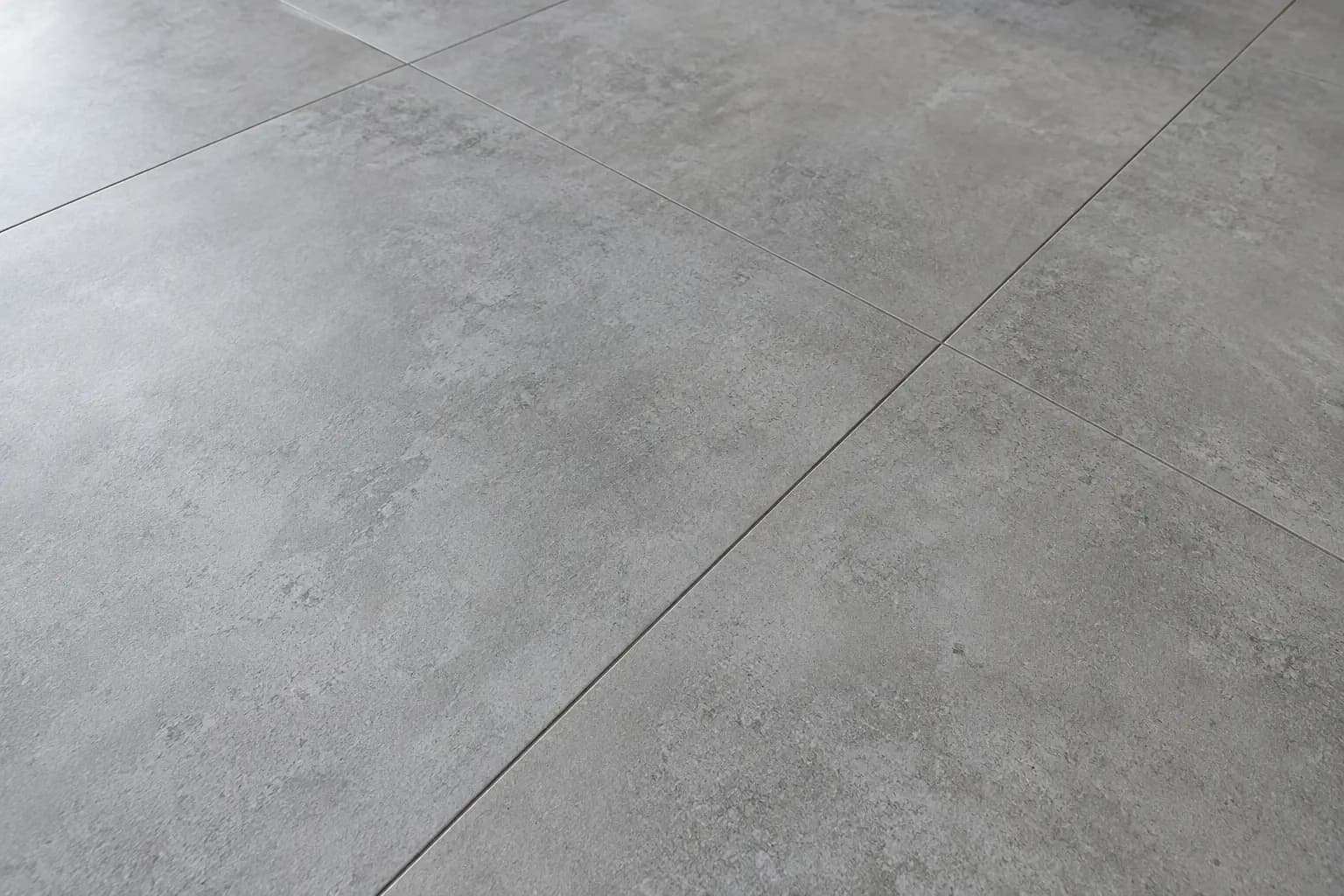
Matt finish
Matt finish tiles explained: the soft, non-reflective look, better grip, how to clean them properly and which rooms in a Bengaluru home suit them best.
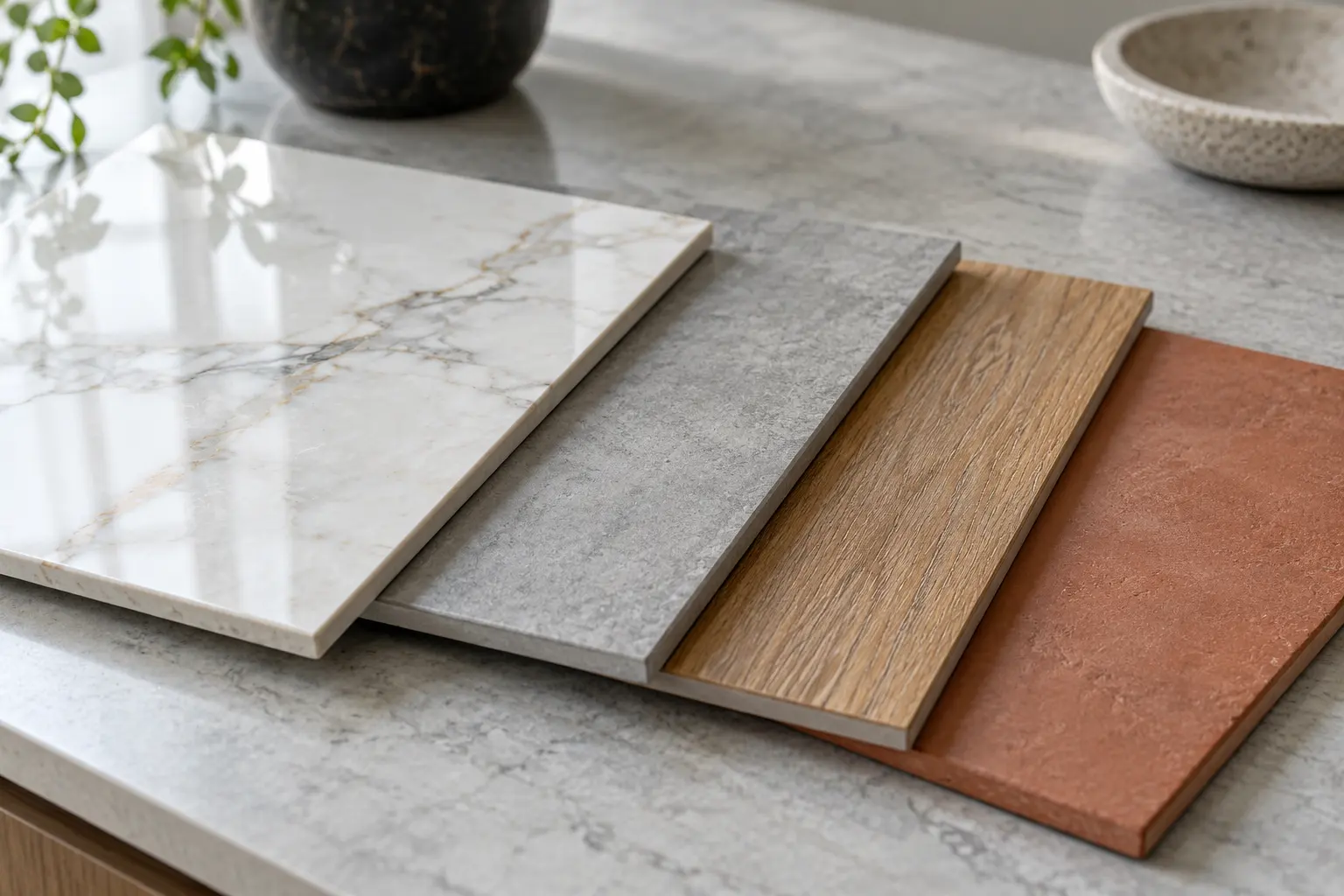
See the tiles in person before you decide
Photos never show a tile's true shade or texture. Get in touch to check what is in stock, then walk in and compare.