Floor Tiles in Bengaluru: Types, Sizes and Finishes by Room
A practical overview of floor tiles for Bengaluru homes: which type and finish suits each room, common sizes, and what to check before buying.
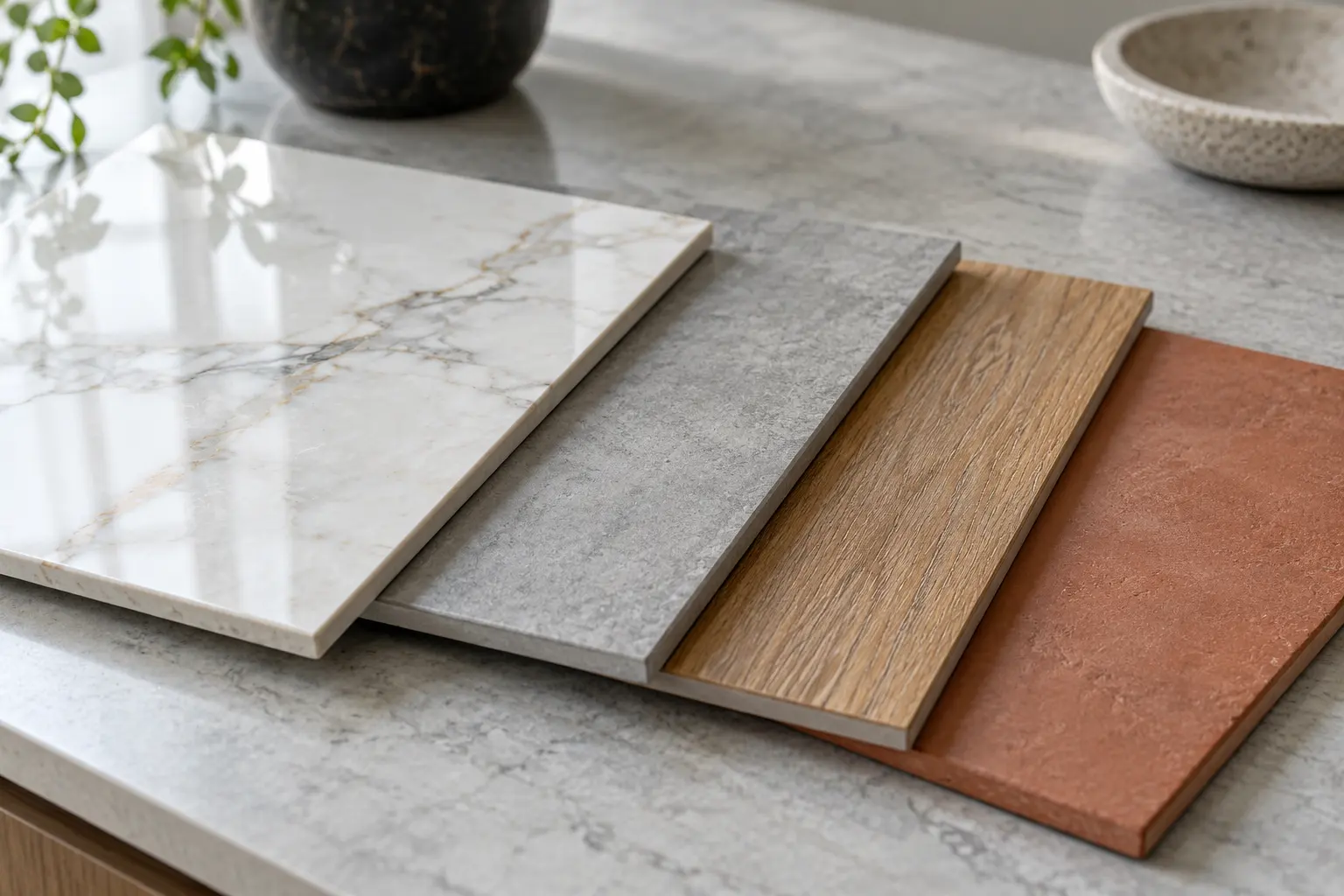
Choosing floor tiles is less about finding the "best" tile and more about matching the right tile to each room. A tile that is perfect in your living room may be a poor choice on your balcony. This page gives you a simple room-by-room view so you can narrow things down before you come to the shop.
What makes a tile a floor tile
Floor tiles are made to take weight, foot traffic and regular cleaning. Compared to wall tiles they are usually thicker (often around 8 to 10 mm for regular sizes), harder, and fired to lower water absorption. Most floor tiles sold today are vitrified, with some ceramic floor tiles for light use.
Glazed floor tiles are sometimes given a PEI rating for surface wear. Higher numbers mean the glaze resists abrasion better. Not every box shows it, but it is worth asking for busy areas.
Which floor tile for which room
| Area | Usual choice | Finish |
|---|---|---|
| Living and dining | PGVT, double charge | Glossy or satin |
| Bedrooms | PGVT, GVT, wooden-look planks | Glossy, satin or matt |
| Kitchen | GVT, full body | Matt or satin |
| Bathroom floor | Ceramic or vitrified anti-skid | Matt, textured |
| Balcony and utility | Anti-skid, full body | Matt, rustic |
| Parking and driveway | Parking tiles | Textured, heavy duty |
| Terrace | Cool roof or outdoor tiles | Matt, textured |
Where regular floor tiles don't work
A standard indoor floor tile is not designed for car tyres, so use proper parking tiles for driveways. Polished tiles are not safe on wet surfaces, so bathrooms and open balconies need anti-skid tiles. And an open terrace needs tiles that handle sun, heat and rain, such as cool roof tiles.
Sizes and finishes commonly available
Common floor tile sizes are 600x600 mm, 800x800 mm, 600x1200 mm and 800x1600 mm for main rooms, 300x300 mm and 400x400 mm for bathrooms, balconies and parking, and 200x1200 mm for wooden-look planks. Finishes range from high gloss to matt, satin, rustic and textured.
Bigger tiles mean fewer joints and a cleaner look, but they need a flat base. Smaller tiles are easier in bathrooms where the floor slopes to a drain.
How to choose
- Measure the rooms. Use our tile calculator or the guide on how to calculate tiles for a room.
- Set your priorities. Shine and looks, or low maintenance and grip. You can rarely have maximum of both.
- Think about light. Light coloured floors brighten small or north-facing rooms. Mid tones hide dust better.
- Check the batch and shade. All boxes for one area should share the same batch.
- Plan the joints. Ask for rectified tiles if you want thin grout lines.
Bring your plan to the shop
The quickest way to decide is to bring your floor plan or room sizes and a few photos. Call us or visit the shop, and we will suggest floor tiles room by room from what is currently in stock.
Common questions
Can I use wall tiles on the floor?
No. Wall tiles are thinner and softer and are not made to take foot traffic or furniture load. They can crack or wear through quickly on a floor.
Which floor tile is best for a Bengaluru apartment?
For living and bedrooms, most people choose PGVT or double charge vitrified in 600x1200 mm or 800x800 mm. Use matt or anti-skid tiles in the kitchen, bathroom and balcony.
How many extra floor tiles should I buy?
Typically around 5% to 10% extra for cutting and breakage, more for diagonal layouts or rooms with many corners. Keep a few spare tiles for future repairs.
Should all rooms have the same floor tile?
Using the same tile in living, dining and bedrooms makes a small home feel bigger. Wet areas should still get a different, less slippery tile.
Keep reading
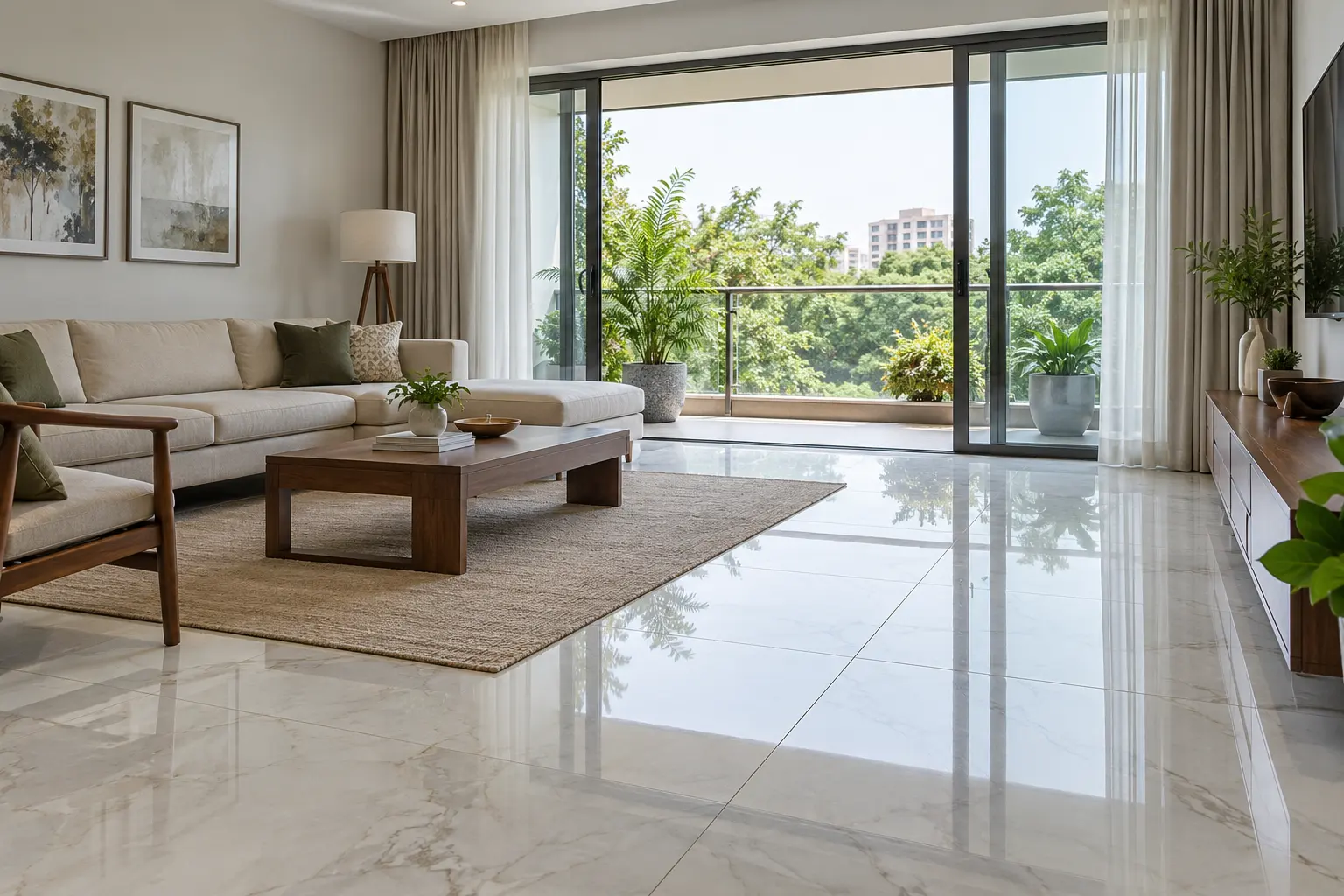
Vitrified tiles
What vitrified tiles are, the four main types, common sizes like 600x600 and 600x1200 mm, and how to pick the right one for your Bengaluru home.
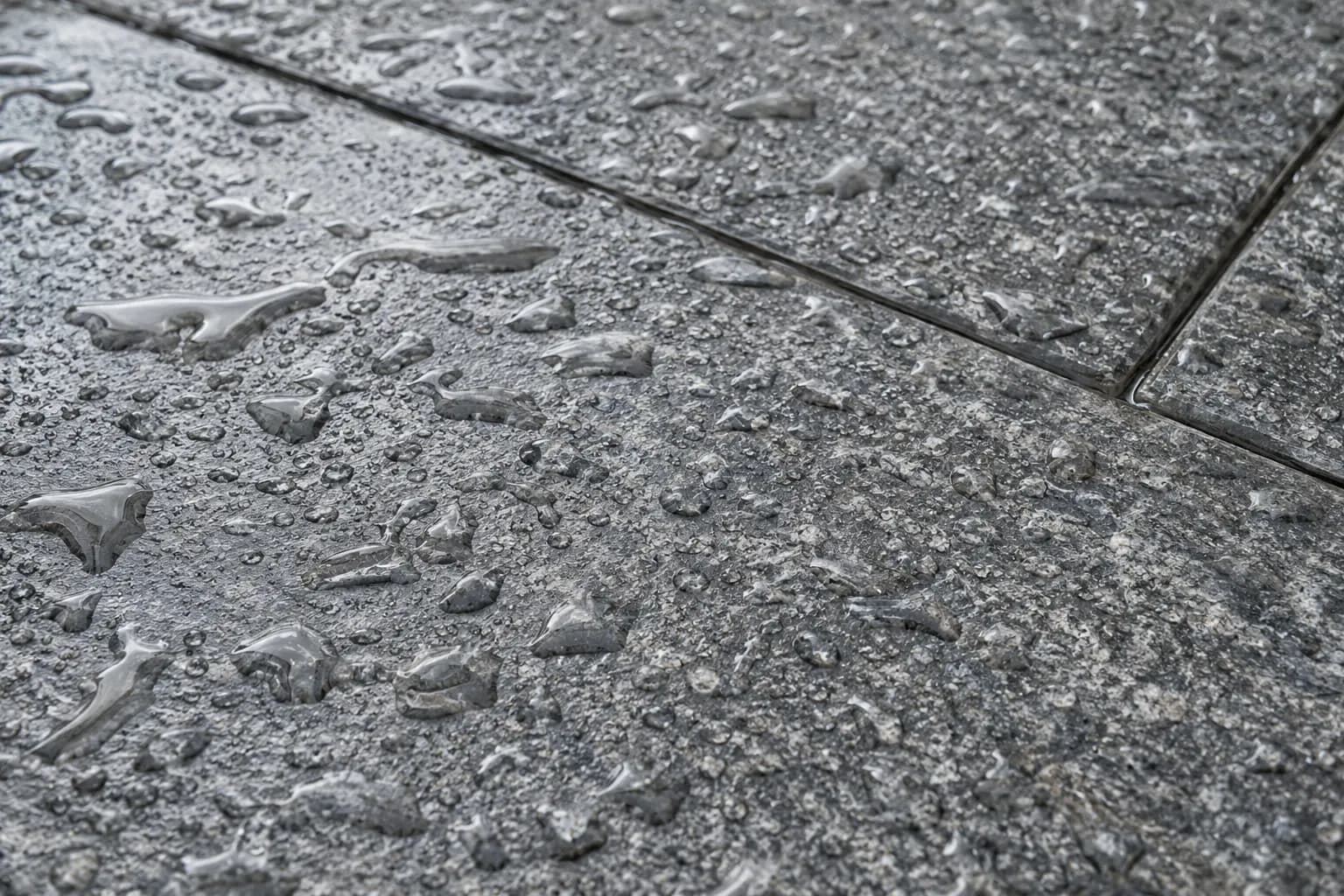
Anti-skid tiles
Anti-skid tiles give better grip on bathroom, balcony and outdoor floors. Learn how slip ratings work, common sizes and how to pick the right one.
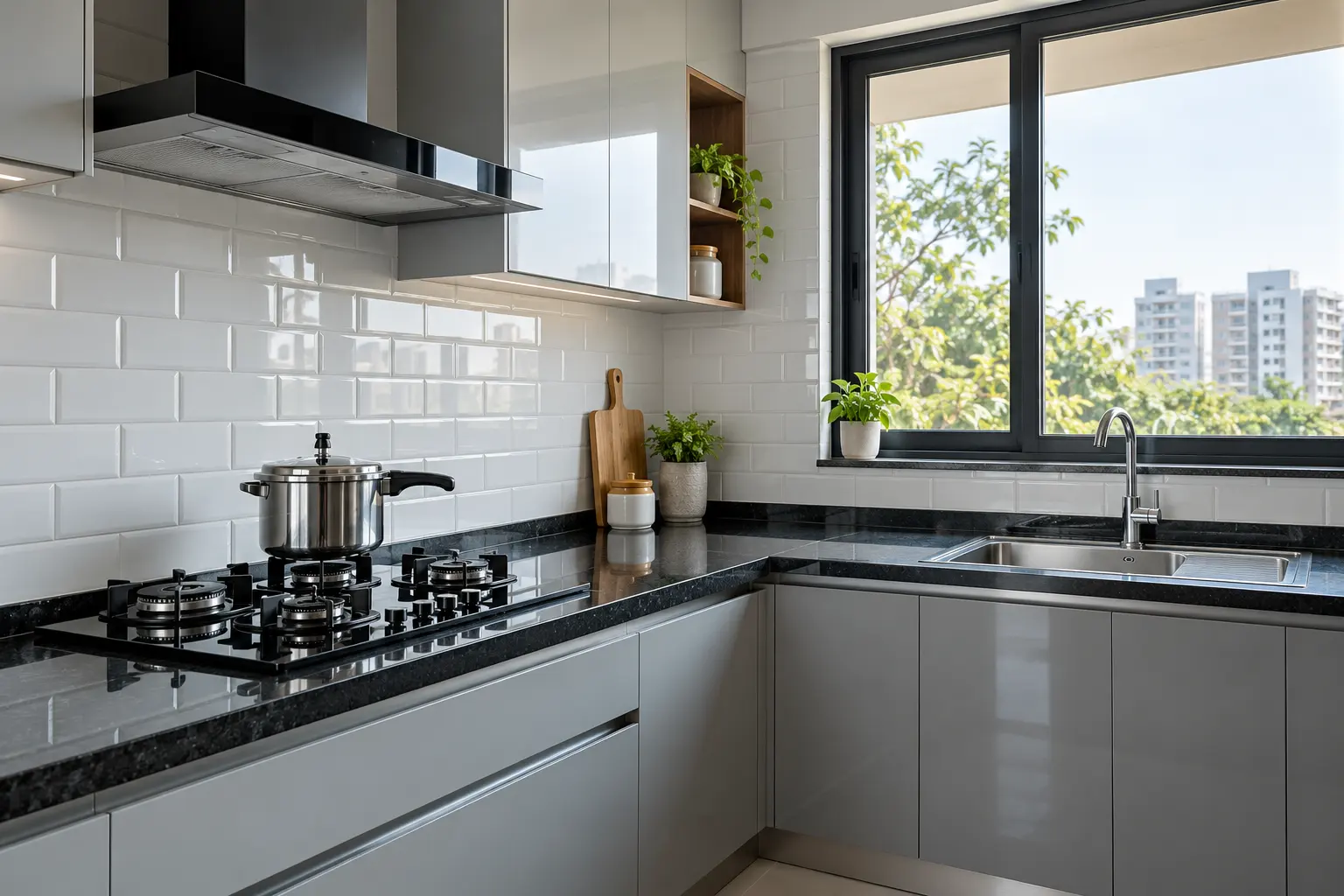
Wall tiles
Wall tiles for bathrooms, kitchens and feature walls: ceramic vs vitrified, common sizes like 300x450 and 300x600 mm, and tips for choosing a set.
See the tiles in person before you decide
Photos never show a tile's true shade or texture. Get in touch to check what is in stock, then walk in and compare.