GVT and PGVT Tiles in Bengaluru: Glazed Vitrified Explained
GVT and PGVT tiles give realistic marble, wood and stone looks on a vitrified body. Learn the difference, where each works and how to pick one.
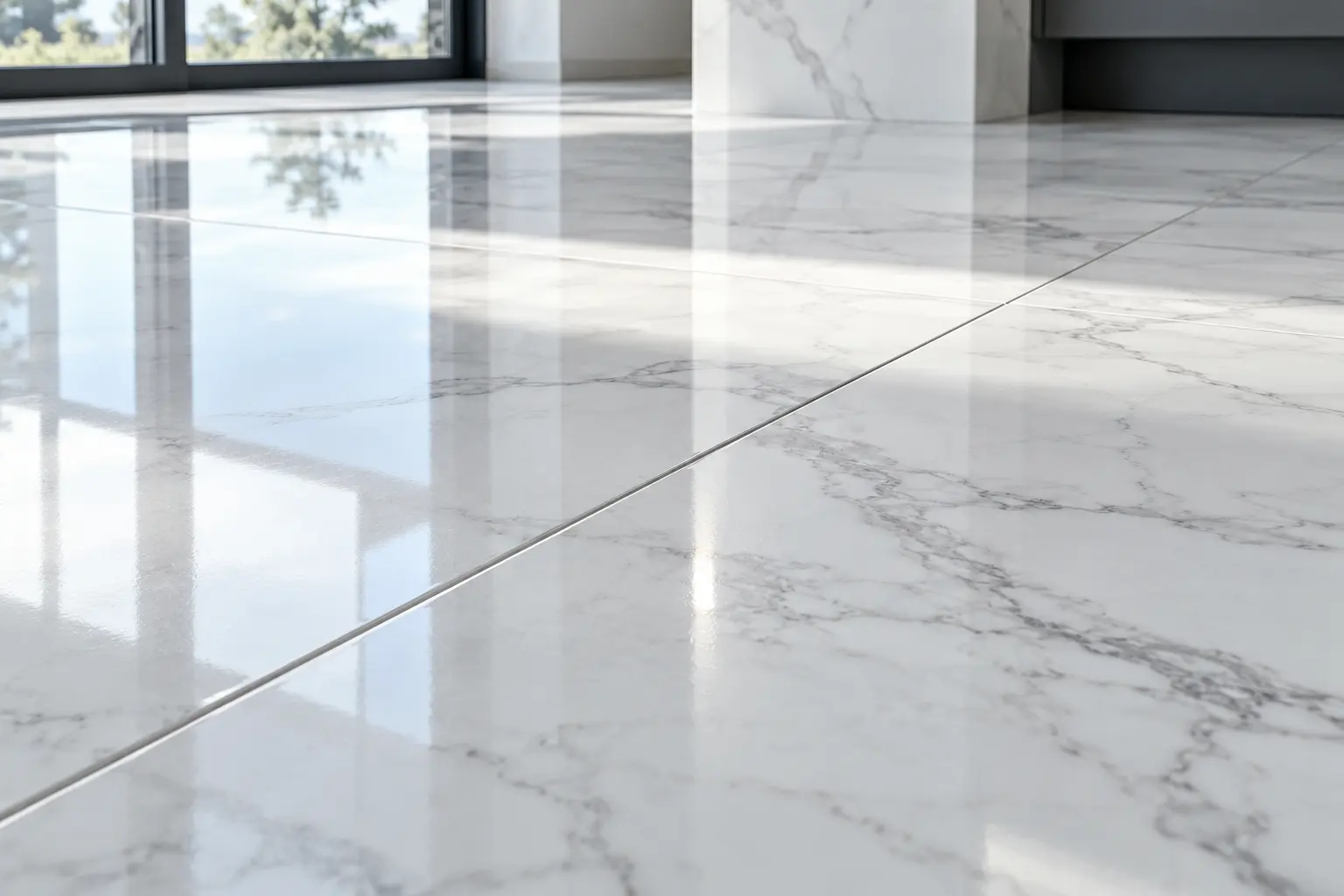
GVT and PGVT are the tiles behind most of the marble-look and wood-look floors you see in new Bengaluru apartments. They combine a strong vitrified body with a printed glaze on top, which allows very realistic designs. If you have been to a tile shop recently, most of the large glossy slabs on display were probably PGVT.
What GVT and PGVT mean
- GVT stands for Glazed Vitrified Tile. A vitrified body is coated with a glaze, and the design is printed onto it with digital inkjet printers before firing.
- PGVT is Polished Glazed Vitrified Tile. It is a GVT that has been polished after firing to give a high shine.
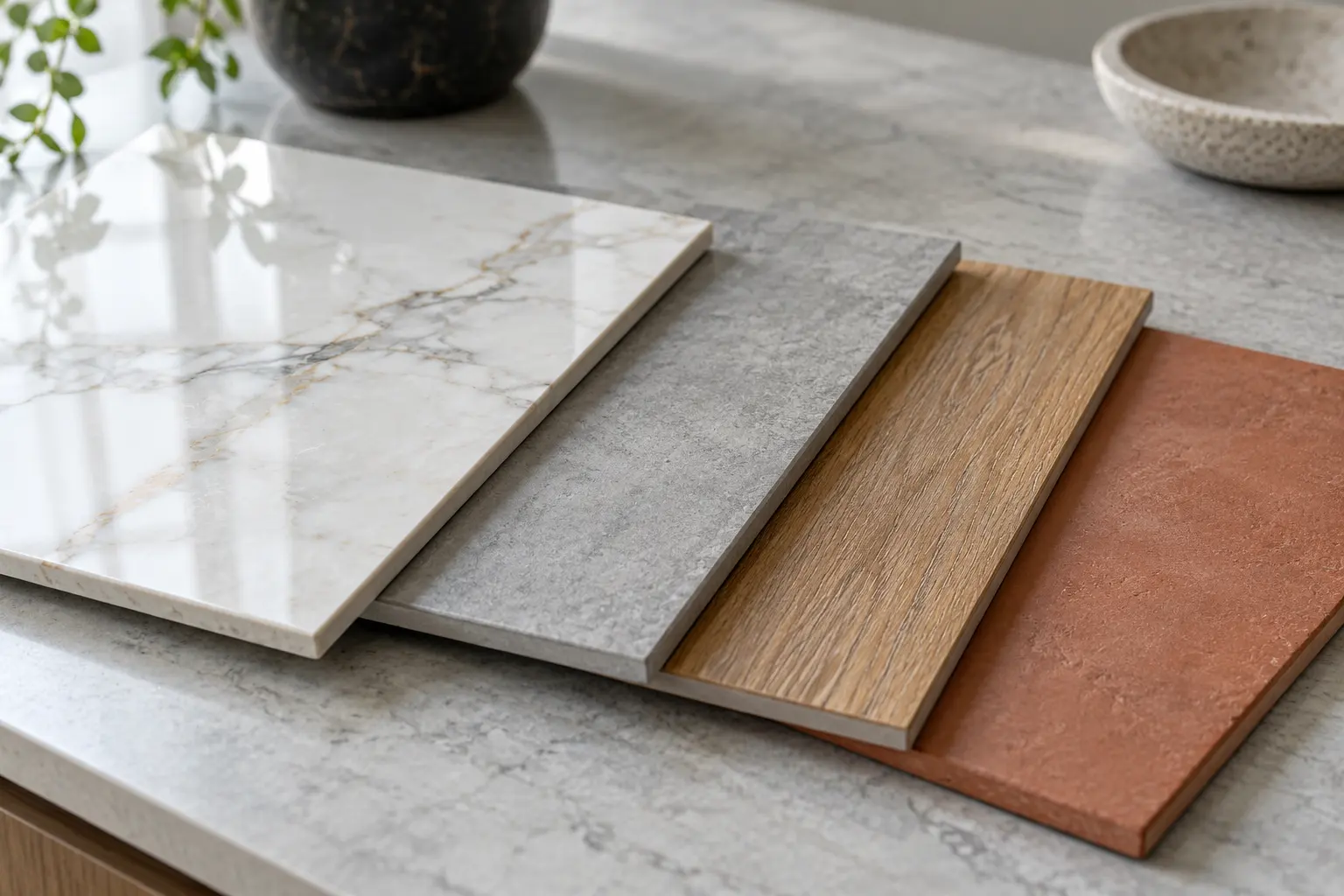
Because the design is digitally printed, it can copy almost anything: Statuario and Carrara marble, onyx, granite, cement, wood grain, even fabric textures. Some ranges have many different face designs so the floor does not look repetitive. The body underneath is still vitrified, with water absorption usually under 0.5%.
Where they work, and where they don't
PGVT works well for:
- Living rooms, dining areas and bedrooms
- Feature walls behind a TV or in a pooja room
- Hotel lobbies and showrooms where shine matters
GVT (matt, satin, carving) works well for:
- Kitchens, where a matt surface is less slippery
- Bathroom floors and walls in textured finishes
- Wooden-look planks and concrete looks
Be careful with:
- Polished PGVT on bathroom floors, open balconies and entrances where rain water comes in
- Very dark glossy PGVT in dusty areas, as dust and fine scratches show more
- Heavy commercial traffic, where double charge or full body tiles last better
Sizes and finishes commonly available
GVT and PGVT are usually available in 600x600 mm, 600x1200 mm and 800x1600 mm, with larger slabs in some ranges. Wooden planks like 200x1200 mm are typically GVT. Finishes include high gloss, glossy, satin, matt, carving and lappato (semi-polished).
Thickness is typically around 8.5 to 10 mm for regular sizes.
How to choose
- Decide gloss or matt by room. Gloss for halls and bedrooms, matt or textured for kitchens and wet areas.
- Count the face designs. Ask how many different faces a design has. More faces means a more natural, less repeated look.
- Check the print quality. Look closely at the veins. They should be sharp, not blurry or pixelated.
- Look for a good glaze. Hold the tile at an angle to light. The polish should be even, with no waves or pinholes.
- Plan for scratches. Light colours and matt finishes hide wear better than dark high gloss.
For a full comparison of all three types, read GVT vs PGVT vs double charge.
Come and see the designs
Printed designs look different on a screen than in real light. Call the shop to ask what is in stock, or visit us and we will lay out a few tiles together so you can see how the pattern flows.
Common questions
What is the difference between GVT and PGVT?
Both are glazed vitrified tiles with a digitally printed design. PGVT is polished after firing for a glossy, mirror-like surface. GVT is left unpolished, usually in matt, satin or textured finishes.
Do PGVT tiles scratch easily?
The polished glaze can show fine scratches from grit over time, especially on dark colours. Doormats, felt pads under furniture and regular sweeping help a lot.
Can PGVT tiles be used in the bathroom?
On walls, yes. On the floor, polished PGVT gets slippery when wet, so use a matt GVT or an anti-skid tile instead.
Can a scratched PGVT tile be re-polished?
Not really. The design sits in a thin glaze layer, so heavy grinding can damage it. Double charge or full body tiles are better if you expect to re-polish.
Keep reading
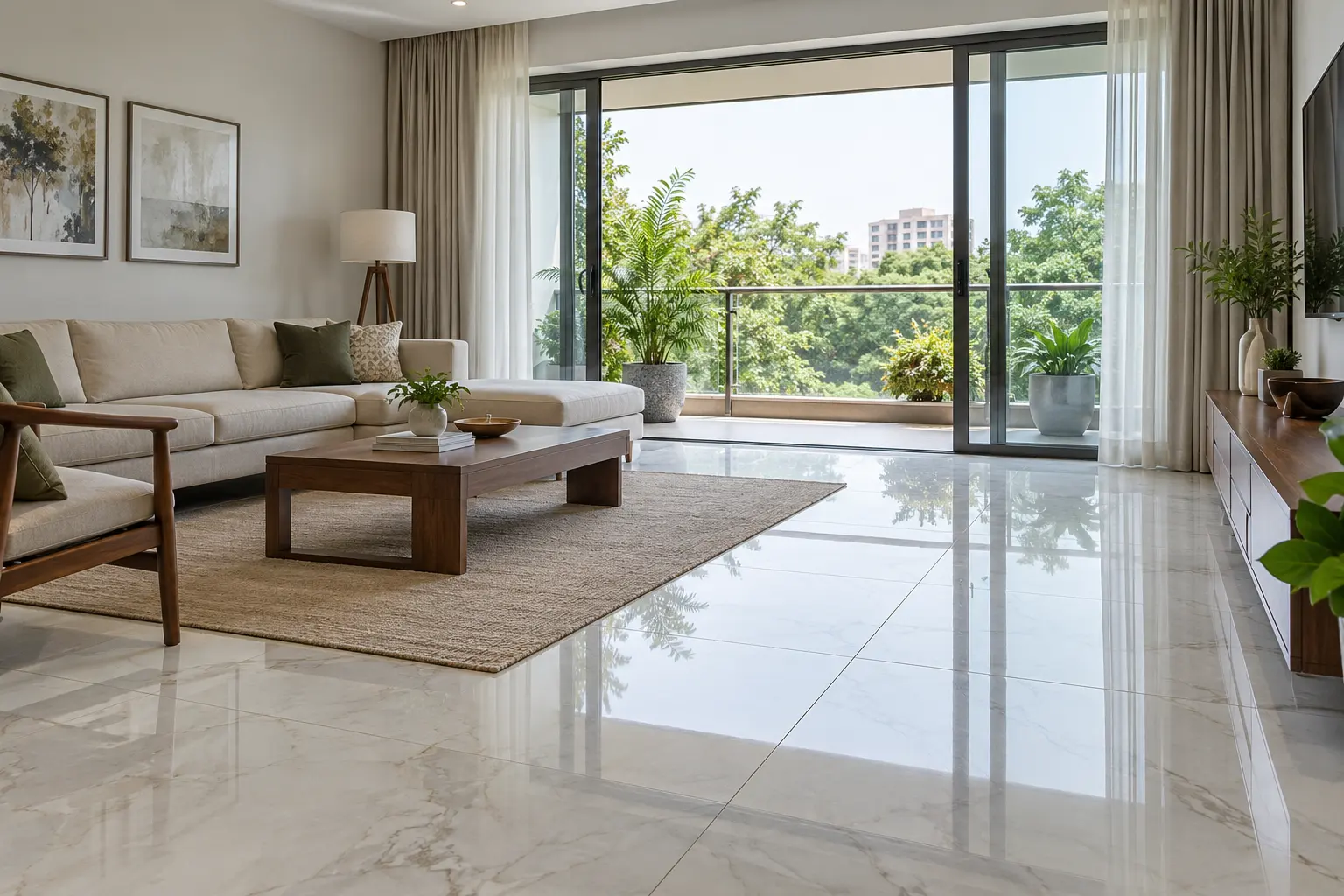
Vitrified tiles
What vitrified tiles are, the four main types, common sizes like 600x600 and 600x1200 mm, and how to pick the right one for your Bengaluru home.
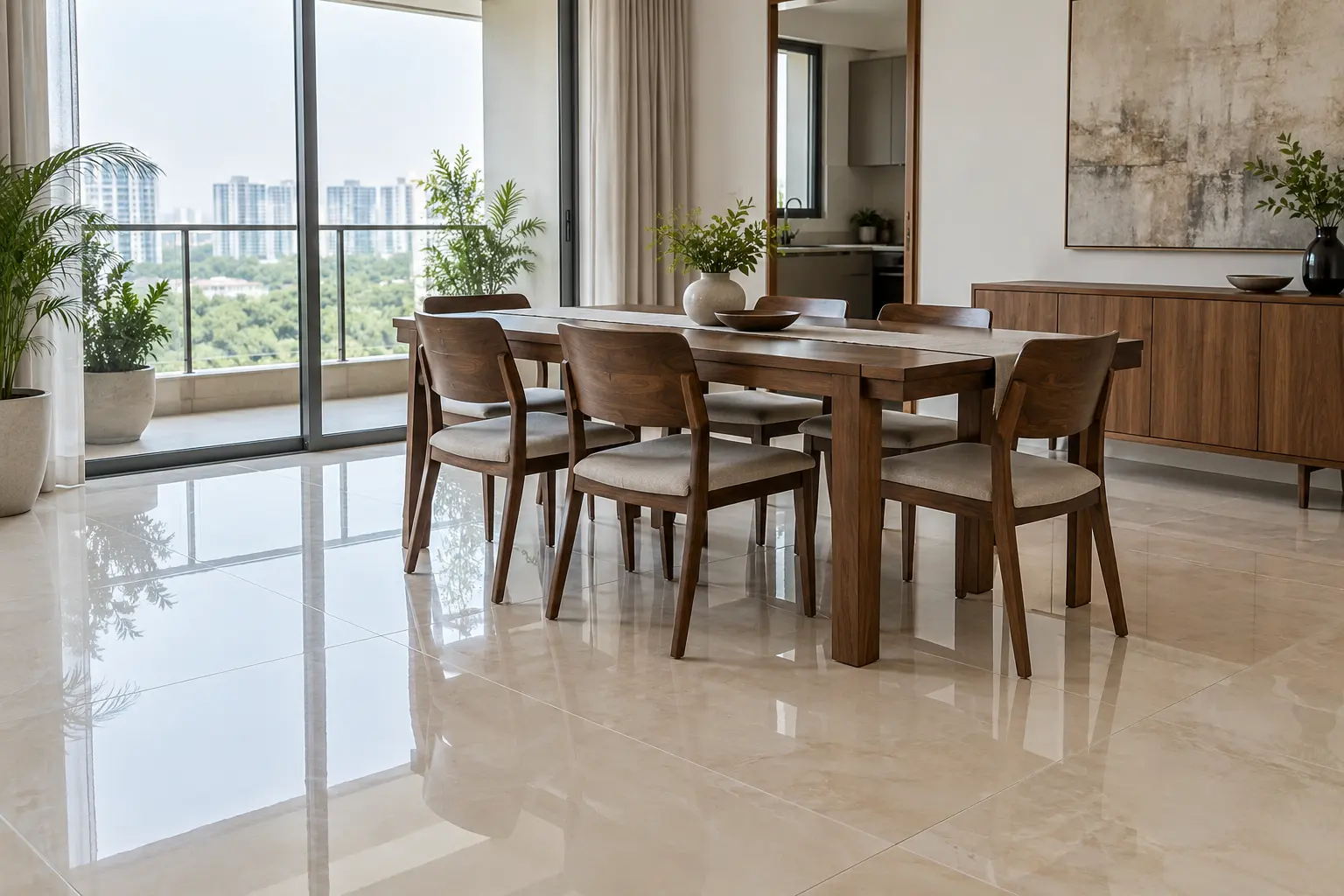
Double charge tiles
Double charge vitrified tiles have a thick coloured top layer that lasts under heavy foot traffic. Learn where they fit, sizes and how to choose.
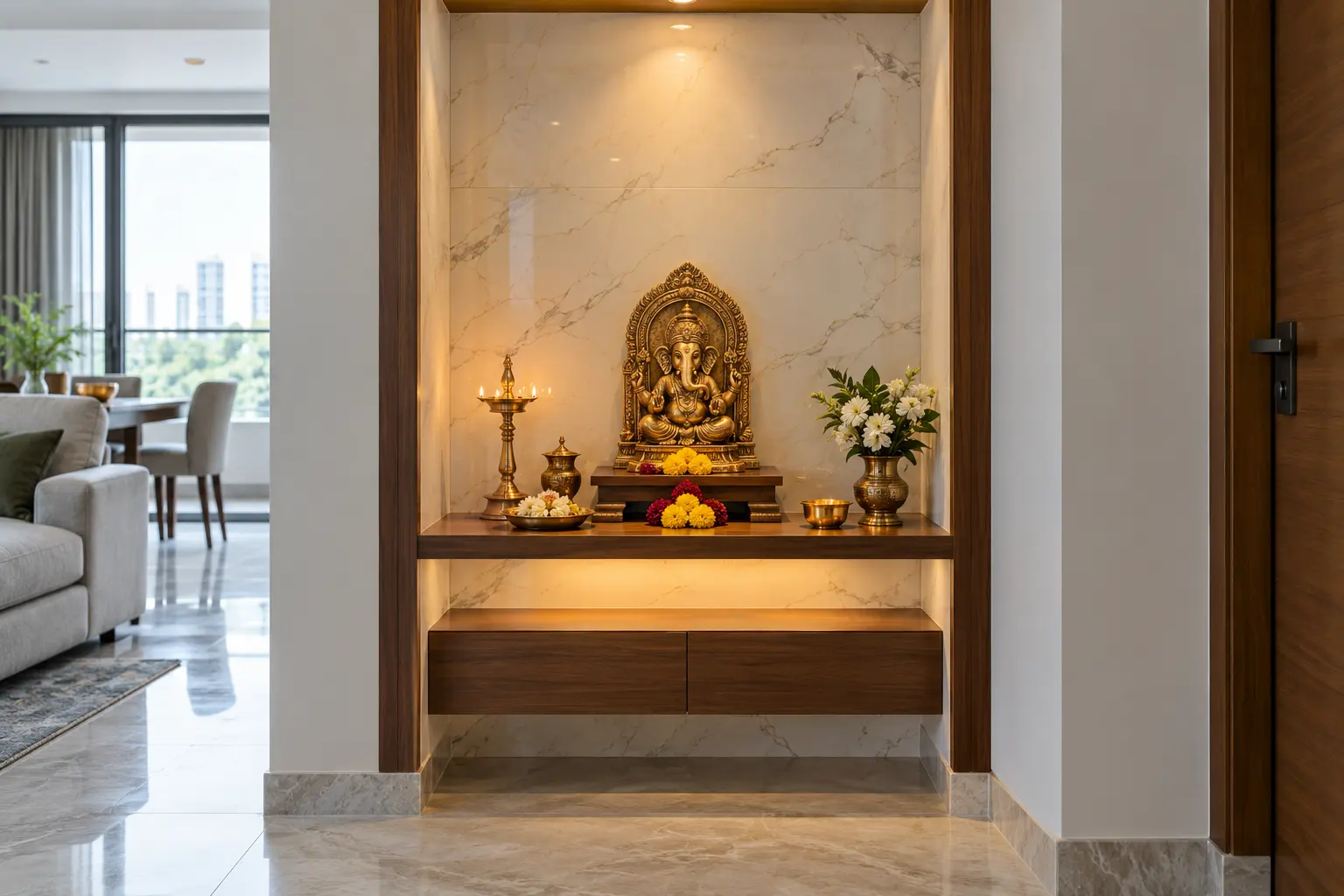
Marble finish tiles
Marble finish tiles copy Statuario, Carrara and onyx on a vitrified body. Compare them with real marble and learn how to choose and lay them.
See the tiles in person before you decide
Photos never show a tile's true shade or texture. Get in touch to check what is in stock, then walk in and compare.