Buying guide · 5 min read
GVT vs PGVT vs Double Charge Tiles: Which Vitrified Tile to Buy
GVT, PGVT, double charge and full body vitrified tiles explained in plain words, with a comparison table and advice on where each type works best.
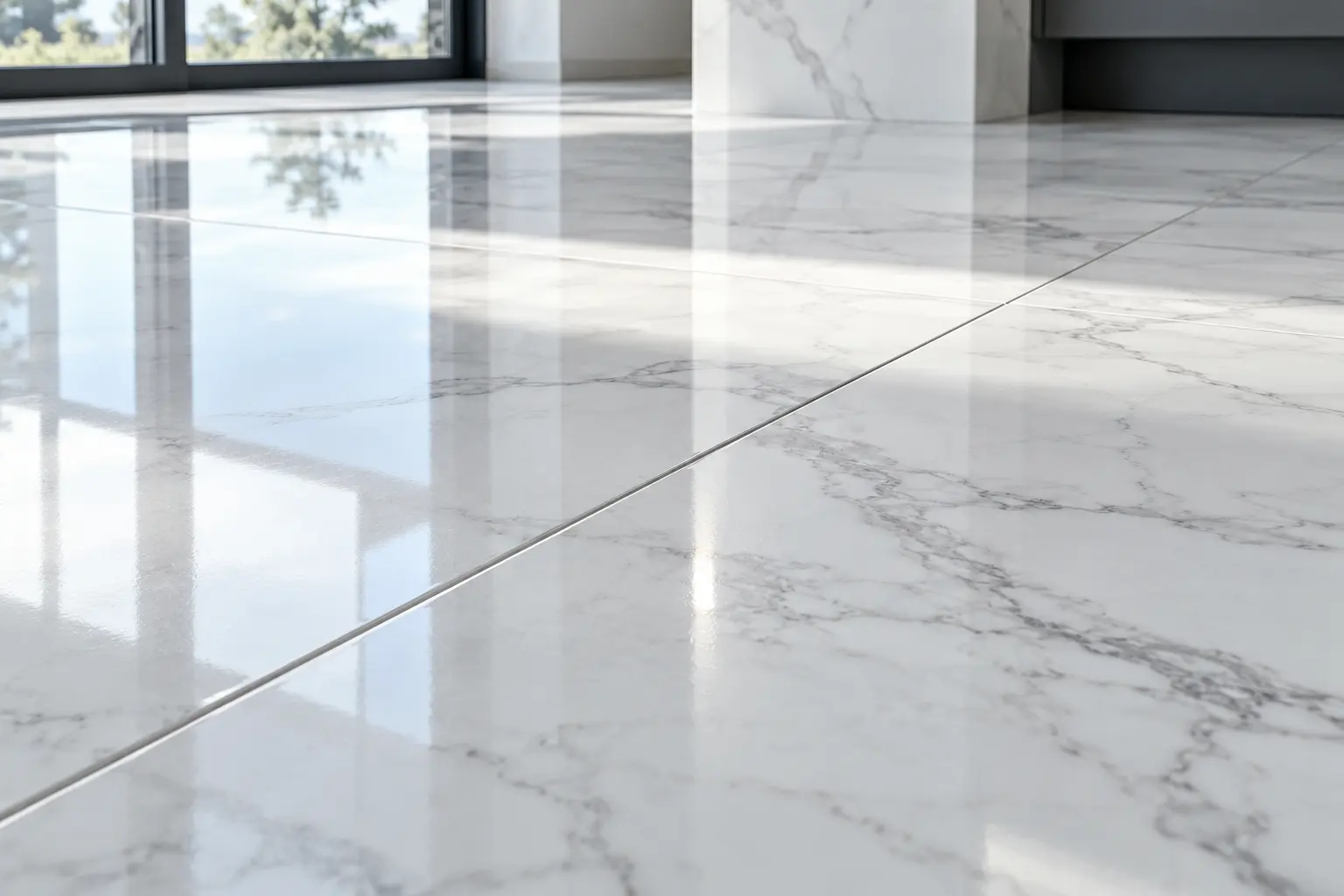
Walk into any tile shop and you will hear GVT, PGVT, double charge and full body. All four are vitrified tiles. The difference is how the design is applied and how deep it goes. That affects the look, the shine, and how the tile wears over the years.
The short version
- GVT (Glazed Vitrified Tile): vitrified body with a digitally printed glaze on top. Huge design variety, including marble, wood, stone and concrete looks.
- PGVT (Polished Glazed Vitrified Tile): a GVT that is polished after glazing for a high-gloss finish.
- Double charge: two layers of pigment are pressed together into the tile, giving a design layer that is usually around 3 to 4 mm thick.
- Full body: the colour and pattern run through the full thickness of the tile.
Comparison table
| Point | GVT | PGVT | Double charge | Full body |
|---|---|---|---|---|
| Design method | Digital print on glaze | Digital print on glaze, then polished | Two pigment layers pressed in | Colour through whole body |
| Design depth | Thin glaze layer | Thin glaze layer | Usually 3 to 4 mm | Full thickness |
| Design variety | Very high | Very high | Limited, simpler patterns | Limited |
| Typical finish | Matt, satin, glossy, textured | High gloss | Polished or matt | Matt, rustic, polished |
| Wear in heavy traffic | Good | Fair, gloss can dull | Very good | Excellent |
| Chips show body colour | Yes | Yes | Less, within the layer | No |
| Common uses | Homes, walls, feature areas | Living rooms, bedrooms | Shops, offices, busy homes | Commercial, parking, outdoor |
Values vary by manufacturer. Treat the table as a general guide.
GVT: the all-rounder
GVT tiles are the most common vitrified tiles today because digital printing allows realistic designs at sensible cost. You can get wooden finish, marble finish, stone and cement looks, in matt, satin or textured surfaces.
Good for: bedrooms, kitchens, dining areas, walls, and with a matt or textured finish, balconies.
Watch out for: the design is only in the glaze. A deep chip from a dropped vessel will show the plain body underneath.
PGVT: the high-gloss look
PGVT gives that bright, reflective, marble-like floor many people want in the living room. It makes rooms feel bigger and brighter, which helps in apartments with limited daylight.
Good for: living rooms, bedrooms, showrooms with controlled foot traffic.
Watch out for:
- It is slippery when wet. Avoid it in bathrooms, balconies and entrances where rain comes in.
- Sand and grit from outside act like sandpaper. Over time, busy paths can lose some shine. Bengaluru's dust makes doormats and regular sweeping important.
- Glossy floors show footprints and smudges more than matt.
Our guide on matt vs glossy tiles goes deeper on finish choice.
Double charge: built for wear
Because the design layer is thick, a double charge tile keeps its look even as the surface wears. Designs are simpler, usually speckled, salt-and-pepper or soft veined patterns, because the pressing method cannot match digital print detail.
Good for: shops, offices, corridors, staircases in independent houses, and family homes with heavy daily traffic.
Watch out for: less choice in designs, and patterns can look plainer than GVT.
Full body: the toughest option
Full body vitrified tiles have the same material all the way through. Scratches and chips are much less visible. They are common in commercial spaces, parking areas and outdoor use.
Good for: commercial floors, parking, heavy-use outdoor areas.
Watch out for: fewer decorative options.
How to choose for your home
| Space | Practical choice |
|---|---|
| Living room | PGVT for gloss, or GVT in satin or matt |
| Bedroom | GVT (wooden or marble look) or PGVT |
| Kitchen floor | Matt GVT or double charge |
| Bathroom floor | Matt or anti-skid GVT |
| Balcony | Matt or anti-skid GVT, or full body |
| Shop or office | Double charge or full body |
| Parking | Full body or dedicated parking tiles |
A few buying tips
- Check the box for size, grade, shade and batch number, and buy all your tiles from one batch.
- Look at the tile under natural light, not only showroom lights. High-gloss tiles look very different in daylight.
- Ask to see the edge and back of the tile so you can see the design depth for yourself.
- Read our guide on how to check tile quality before you buy.
Compare them in person
The easiest way to decide is to put a PGVT, a GVT and a double charge tile next to each other and look at them under daylight. Visit Patidar Ceramic and we will show you what is currently in stock in each type.
Common questions
What is the difference between GVT and PGVT?
Both are glazed vitrified tiles with a digitally printed design. PGVT is polished after glazing to give a high-gloss, mirror-like shine, while GVT is usually left matt, satin or lightly glossy.
Which is more durable, PGVT or double charge?
Double charge usually holds up better in heavy traffic because the design layer is a few millimetres thick. PGVT has a thin printed glaze, so deep scratches or chips show the body underneath.
Does PGVT scratch easily?
The polished surface can show fine scratches over time, especially from grit and sand. Doormats, felt pads under furniture and regular sweeping help a lot.
Which type is best for a living room?
PGVT is popular for living rooms that want a marble look. If the room gets heavy use or you want something that hides wear, double charge or a matt GVT is a practical choice.
Keep reading
GVT and PGVT tiles
GVT and PGVT tiles give realistic marble, wood and stone looks on a vitrified body. Learn the difference, where each works and how to pick one.
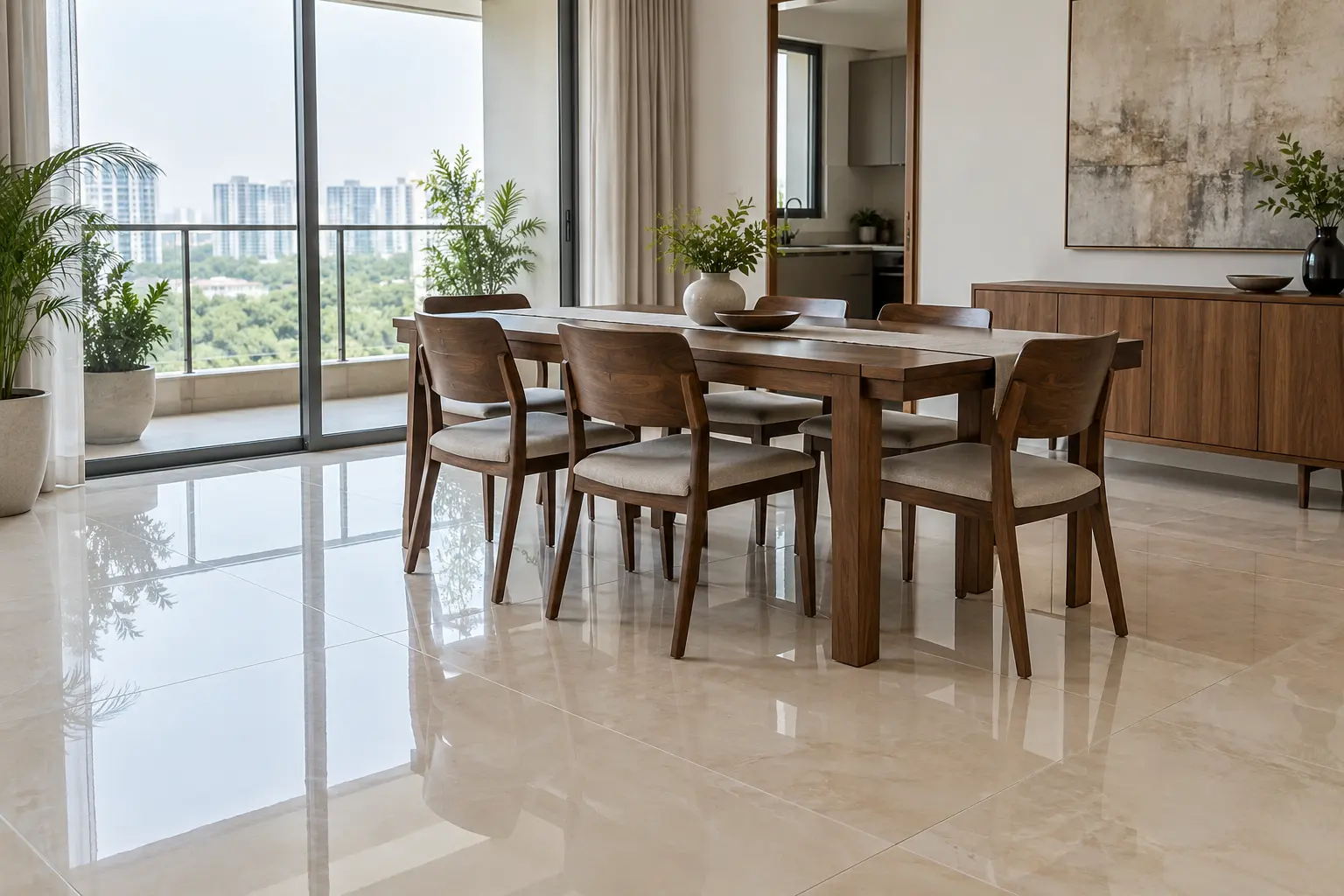
Double charge tiles
Double charge vitrified tiles have a thick coloured top layer that lasts under heavy foot traffic. Learn where they fit, sizes and how to choose.
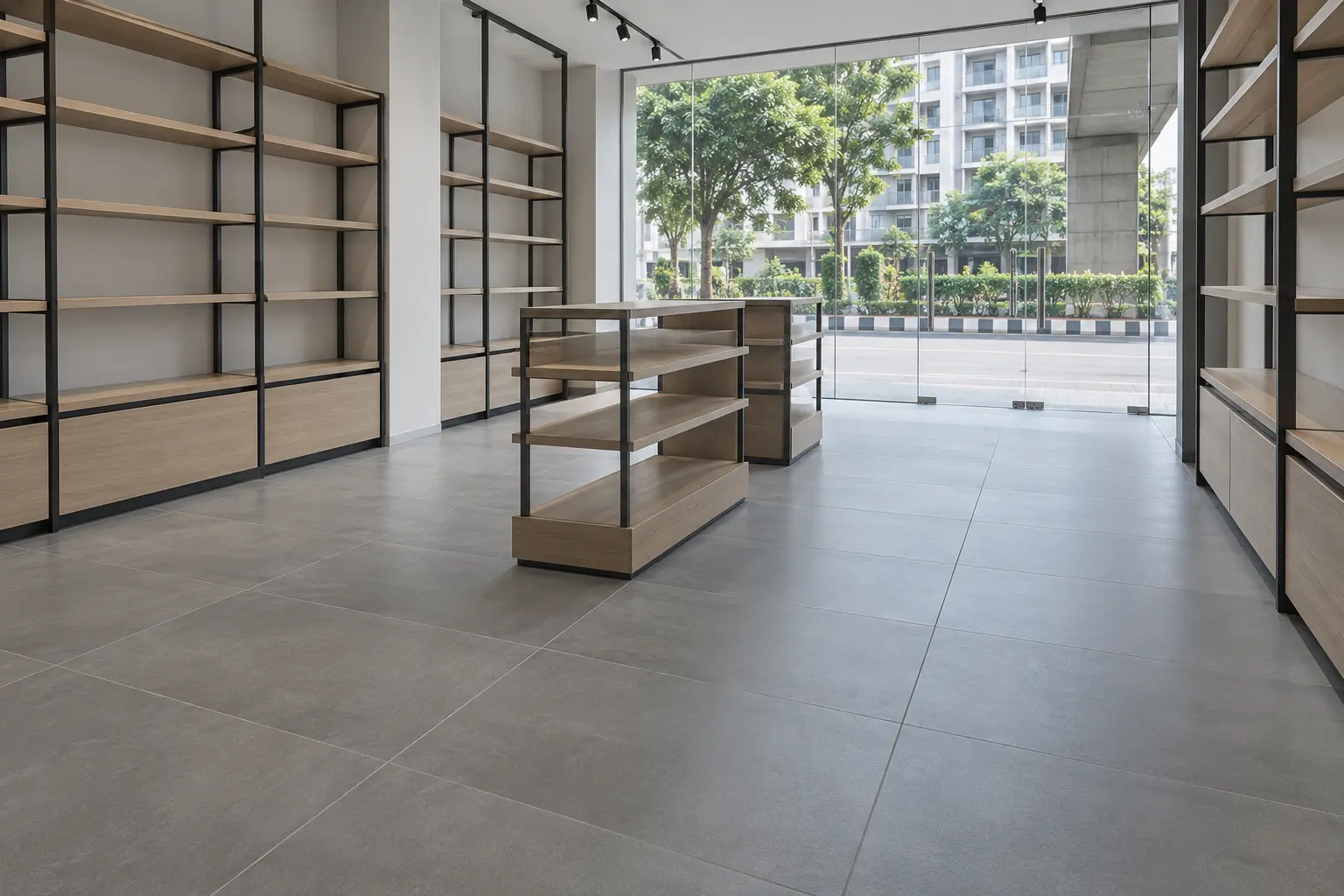
Full body tiles
Full body vitrified tiles carry colour through the whole tile, so chips and wear barely show. See where they suit, common sizes and how to choose.
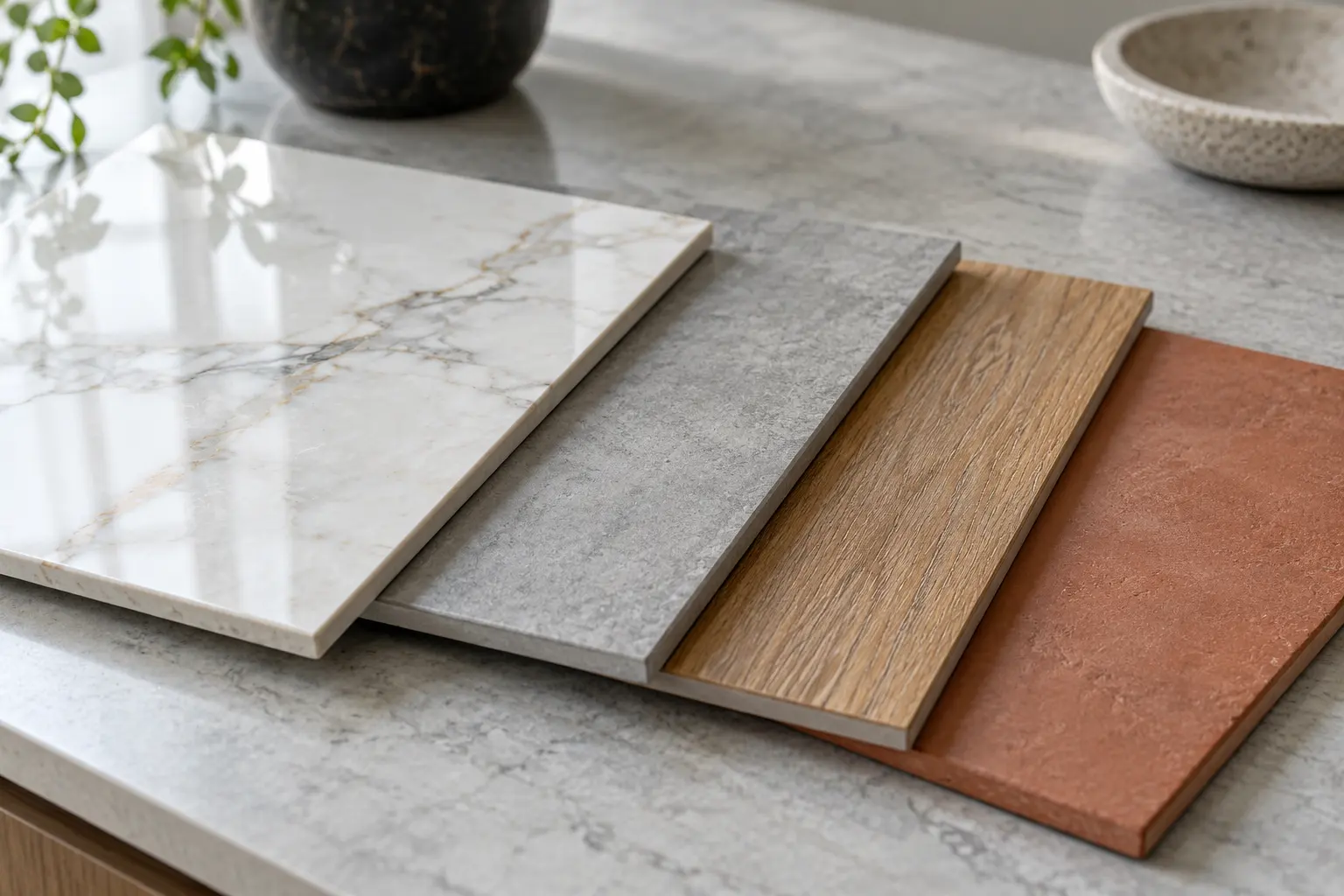
See the tiles in person before you decide
Photos never show a tile's true shade or texture. Get in touch to check what is in stock, then walk in and compare.