Garden and Pathway Tiles: Grip, Drainage and Natural Looks
Tiles for garden paths, sit-outs and open yards in Bengaluru: anti-skid and rustic surfaces, drainage, edging, and colours that blend with greenery.
Gardens, side passages, sit-outs and front yards in independent houses need a surface that is safe in the rain and looks natural next to plants. Unlike a balcony, these areas are fully open to the weather and often sit on soil, so the base and drainage are as important as the tile.
What garden and pathway areas face
- Rain and wet soil. Paths stay damp for long periods during the monsoon. Shaded areas grow moss and algae.
- Soil movement. If the base is not compacted and solid, tiles sink and crack.
- Leaves, flowers and soil. Organic stains from leaves and mud are common.
- Sun. Open paths get direct sun, so colour and surface heat matter.
- Occasional heavy loads. A side passage may also be used for bikes, garden carts or water cans.
Recommended tiles
| Tile | Why it suits |
|---|---|
| Anti-skid tiles | Grip when wet, low water absorption |
| Rustic finish vitrified | Natural stone look, hides soil and dust |
| Parking tiles | For paths where bikes or cars cross |
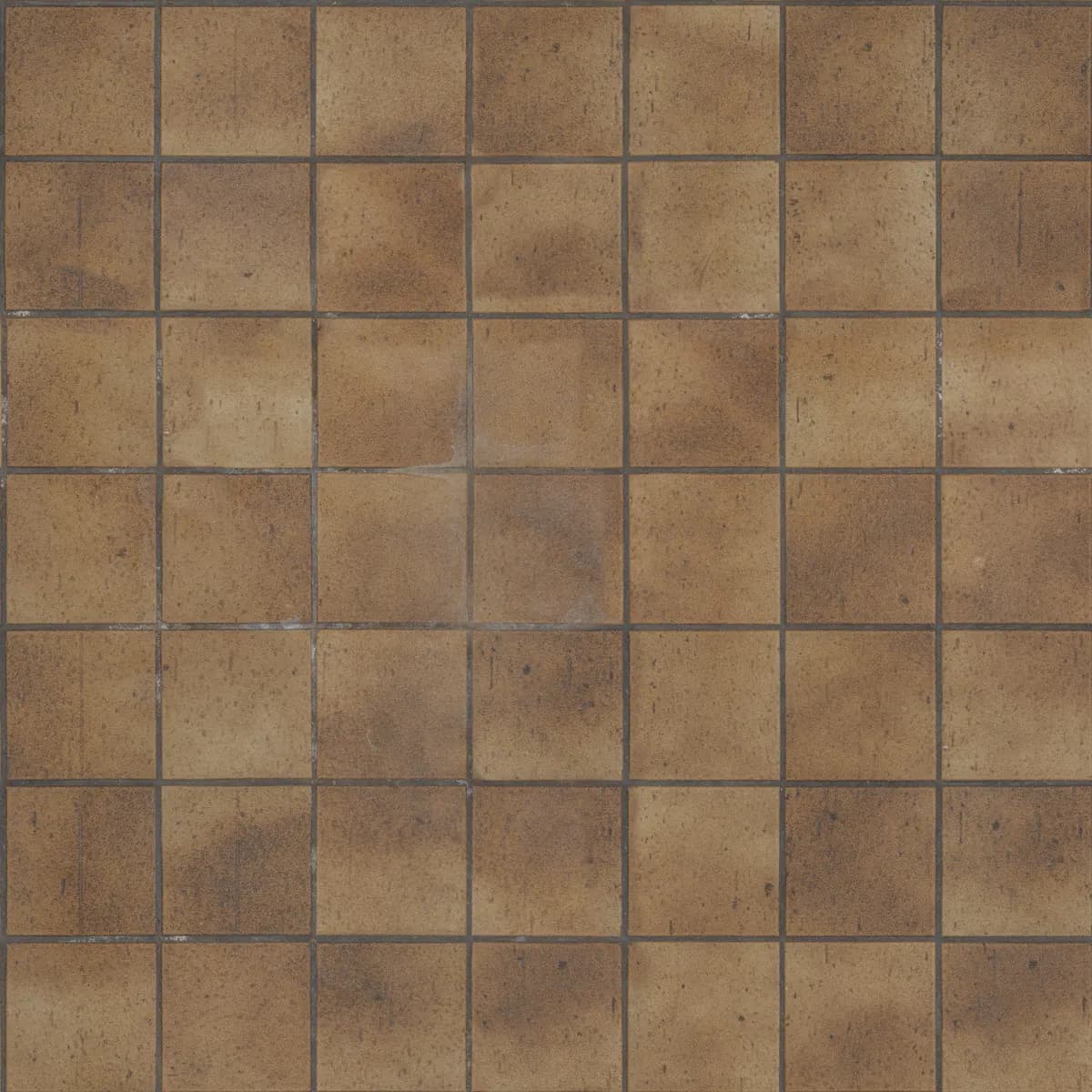
| Terracotta-look tiles | Warm, traditional garden feel |
Look for thick tiles made for outdoor use, with a textured surface. Matt finish tiles in stone or concrete looks also work for covered sit-outs. Avoid glossy and polished tiles anywhere outdoors.
Base and drainage
- Compact the soil and lay a proper base, usually a concrete bed, before tiling.
- Slope paths slightly to one side or toward the garden, so rainwater runs off instead of pooling.
- Edge the path with a border or kerb so the outer tiles do not crack when the soil next to them shifts.
- Leave expansion joints on long paths and large yards.
- Keep the path above garden soil level so mud does not wash onto it during heavy rain.
Layout and colour tips
- Earthy tones like sandstone, terracotta, slate and beige blend with greenery and hide stains.
- Smaller formats such as 300x300 mm or 400x400 mm follow curves and slopes more easily than large tiles.
- Stepping-stone layouts with grass or pebbles between tiles suit informal gardens and let rainwater soak into the ground.
- Link with the parking and front elevation using related colours, so the outside of the house looks connected.
- Mark steps clearly. Use a contrasting edge on any level change in the garden.
Mistakes to avoid
- Laying tiles directly on loose soil.
- Using leftover indoor tiles outside. They become slippery and may crack.
- Dark tiles in shaded, damp areas. Moss shows and grows faster where it stays wet.
- Paths with no edge support. The outer row of tiles is usually the first to break.
If you have an open roof as well, see our page on terrace tiles.
Plan your outdoor area
Bring a rough sketch of your garden or path with measurements, and note where water usually collects. Visit the shop to compare outdoor tile textures in person, or call to ask what is in stock.
Common questions
Which tiles are best for a garden pathway?
Use thick, textured outdoor tiles such as anti-skid or rustic finish vitrified tiles, or parking-grade tiles if vehicles may cross. They give grip when wet and handle sun and rain.
How do I stop moss on outdoor tiles?
Choose low-absorption tiles, give the path a slope so water drains, and scrub shaded areas regularly during the monsoon. Moss grows where water stands and sunlight is low.
Can I lay tiles directly on soil?
No. Tiles need a compacted base and usually a concrete bed. On soil alone they sink unevenly and crack.
Which colours suit a garden?
Earthy shades like sandstone, terracotta, slate grey and warm beige blend naturally with plants and hide soil and leaf stains.
Keep reading
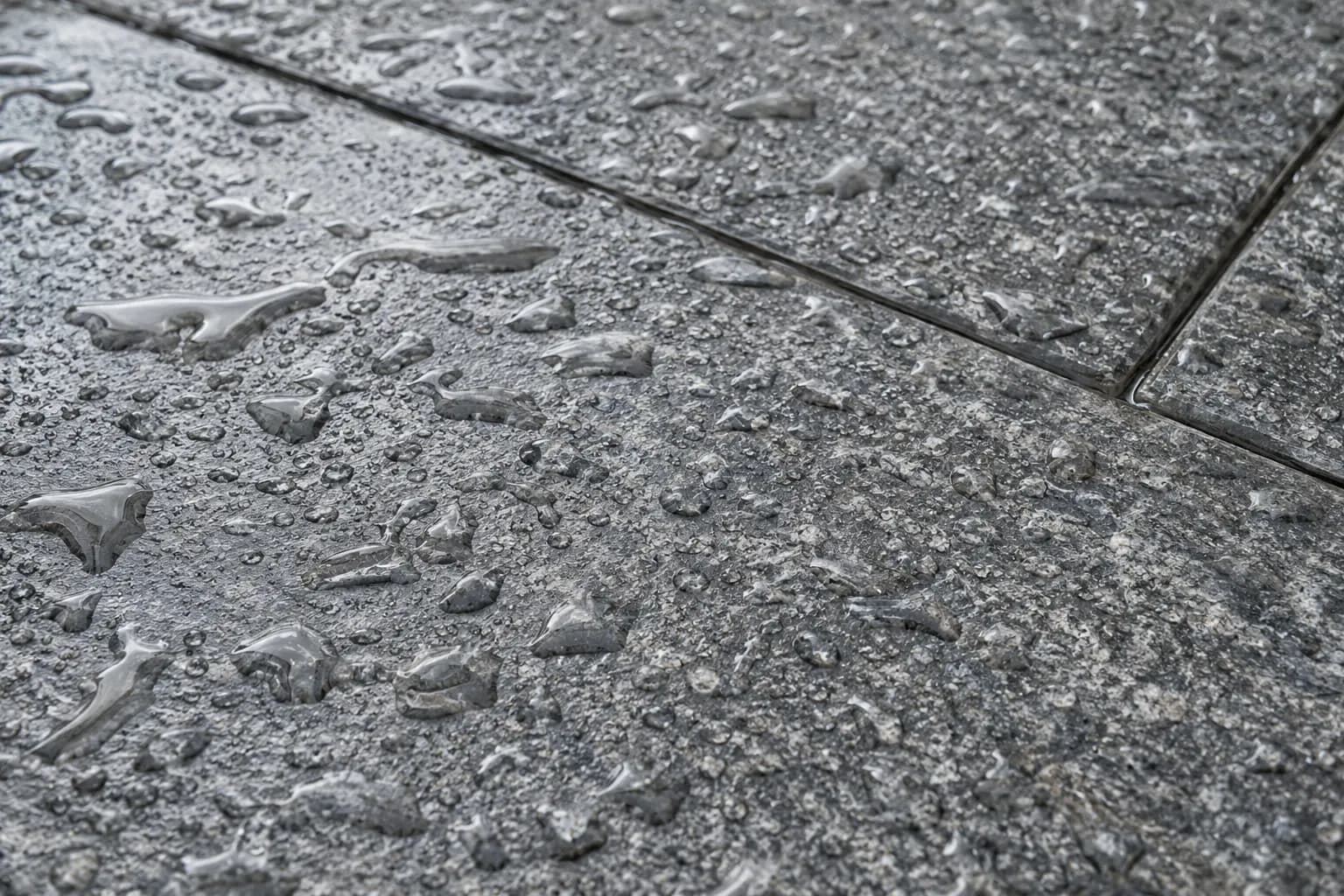
Anti-skid tiles
Anti-skid tiles give better grip on bathroom, balcony and outdoor floors. Learn how slip ratings work, common sizes and how to pick the right one.
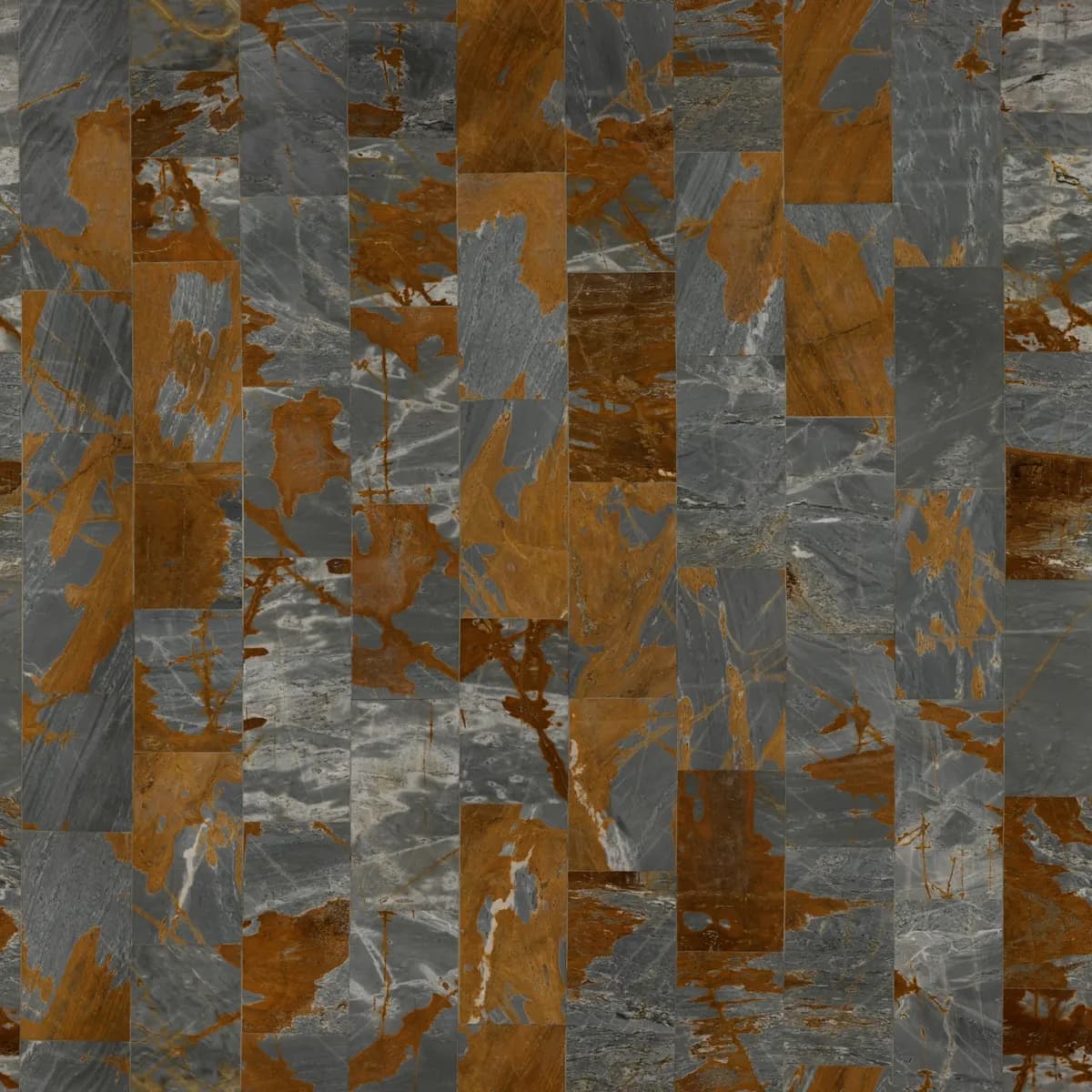
Rustic finish
Rustic finish tiles bring a textured, natural stone feel. Learn how they grip, how to clean them, and where they suit Bengaluru homes inside and out.
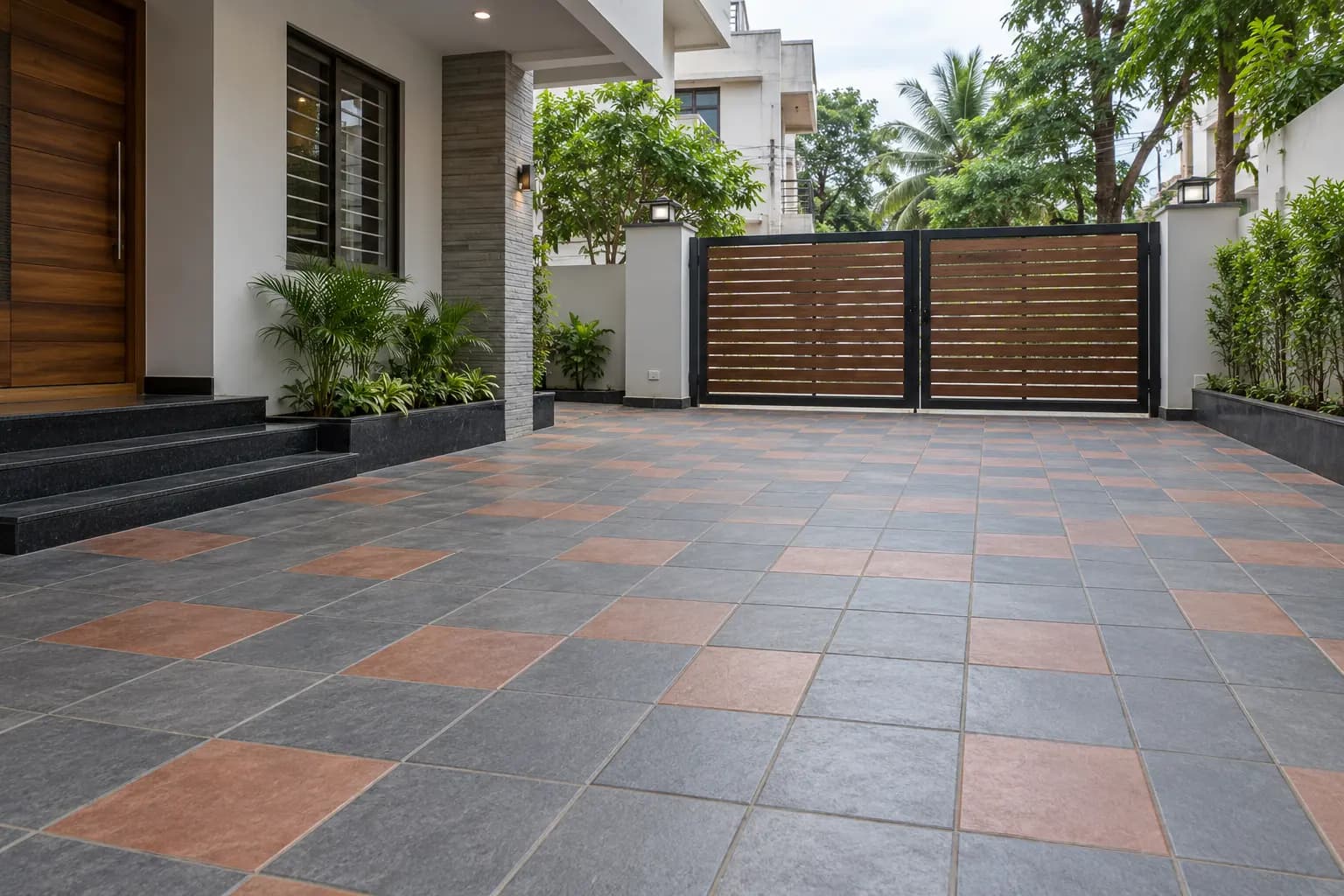
Parking tiles
Parking tiles are thicker, textured tiles made for car and bike loads. Learn what to check, common sizes and how to get a parking floor that lasts.
See the tiles in person before you decide
Photos never show a tile's true shade or texture. Get in touch to check what is in stock, then walk in and compare.